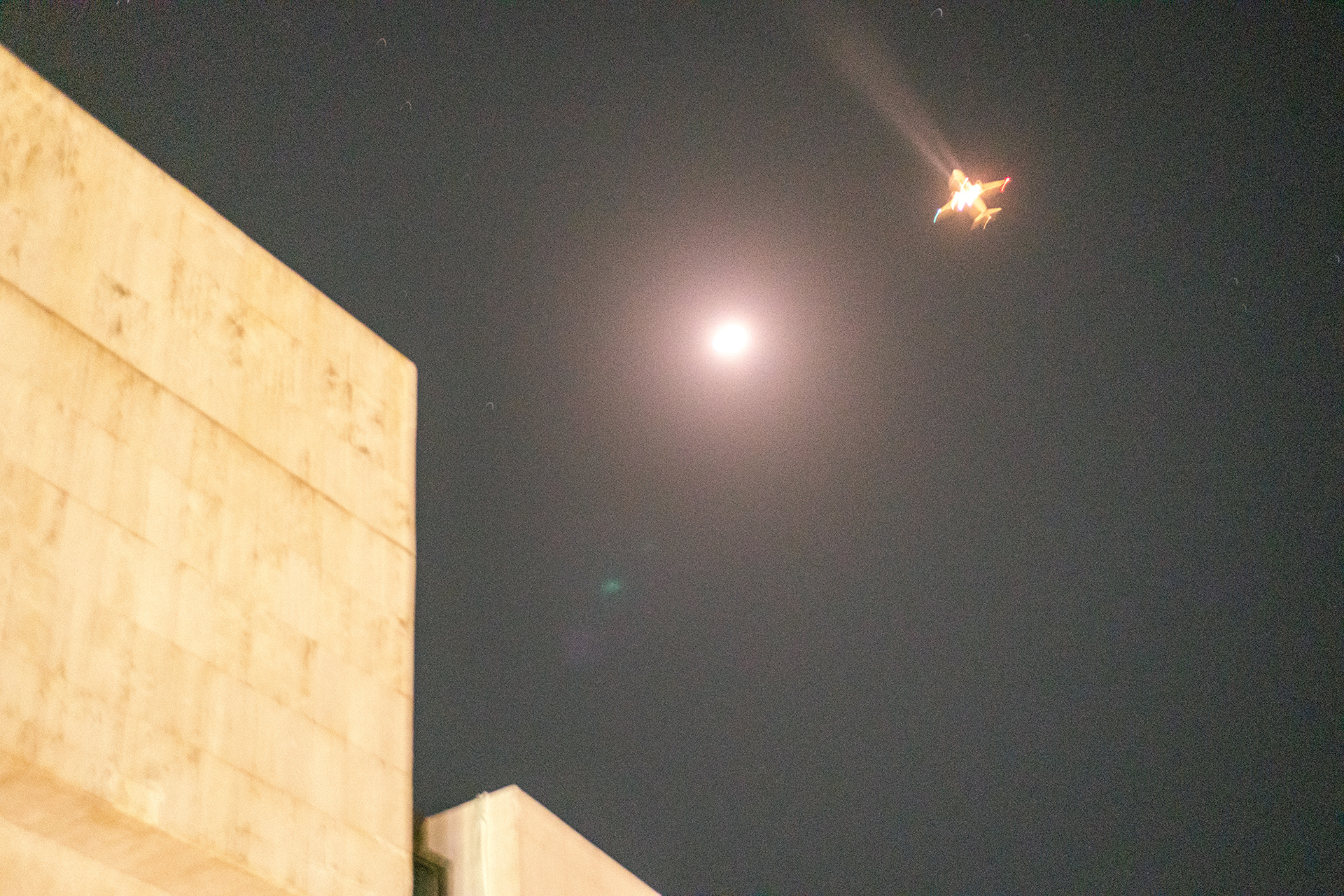
I first thought about this when I was a child. I was standing beside the stairs of an airplane, looking at the blade of the propeller. It was motionless — just a piece of metal whose silence seemed almost embarrassing in its obvious uselessness. In a few minutes the propeller would begin to spin so fast that it would be impossible to make it out. At the time it seemed to me as if it came alive, turning from a lifeless piece of metal into the force that would lift me together with the huge airplane into the air. I remember being struck by how the same object could change its state so abruptly.
Years later a similar thought returned to me in a theatre. Before the performance began I stood behind the stage and looked at the empty space in front of me. It was dusty, inert, almost indifferent to the fact that in a few minutes it would become the center of an entirely different reality. The curious thing about theatre is that the stage does not actually transform. It simply withdraws, as if making room for another order of existence — less material, but filled with meaning, sounds, and dense emotions.
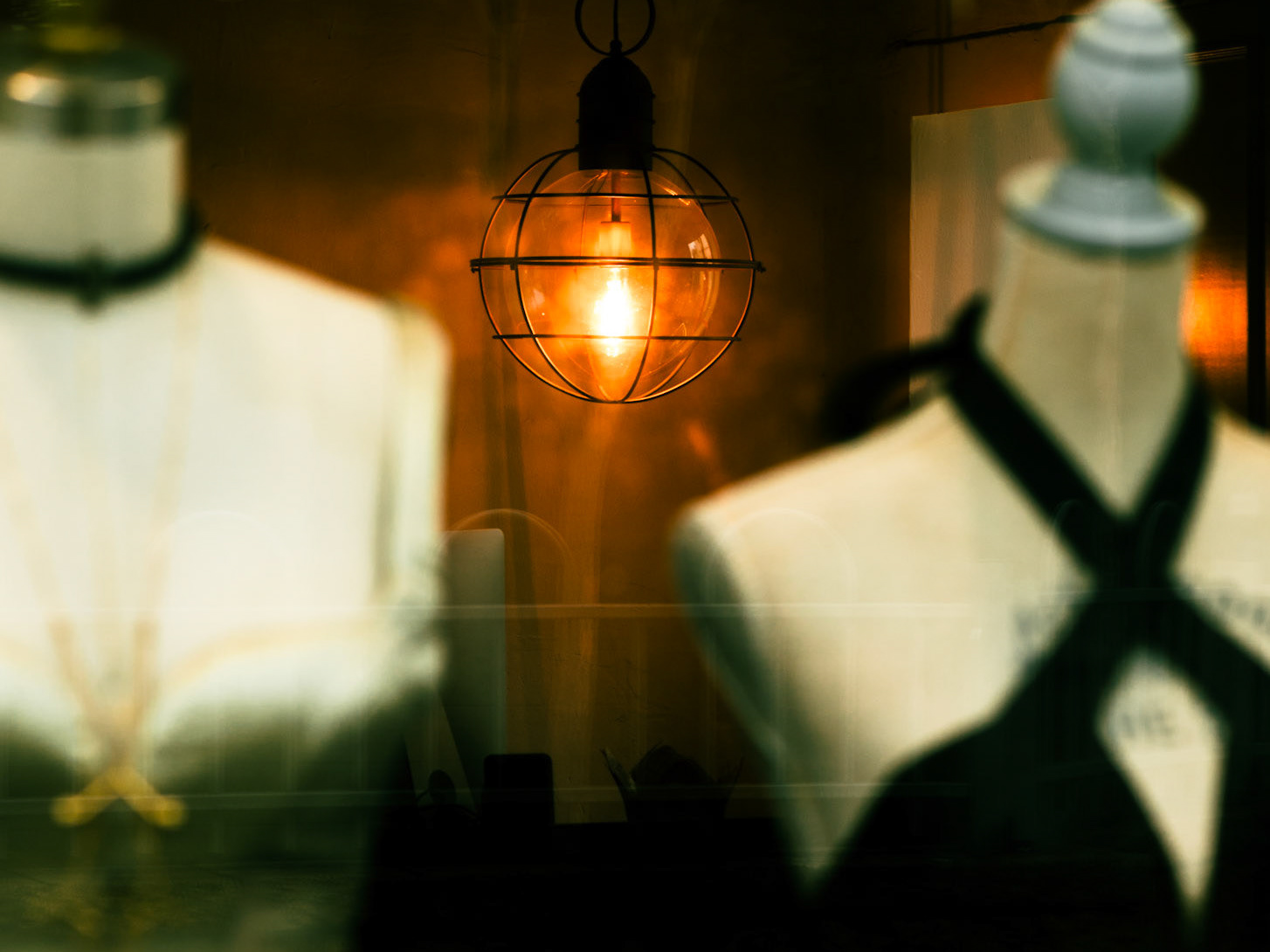
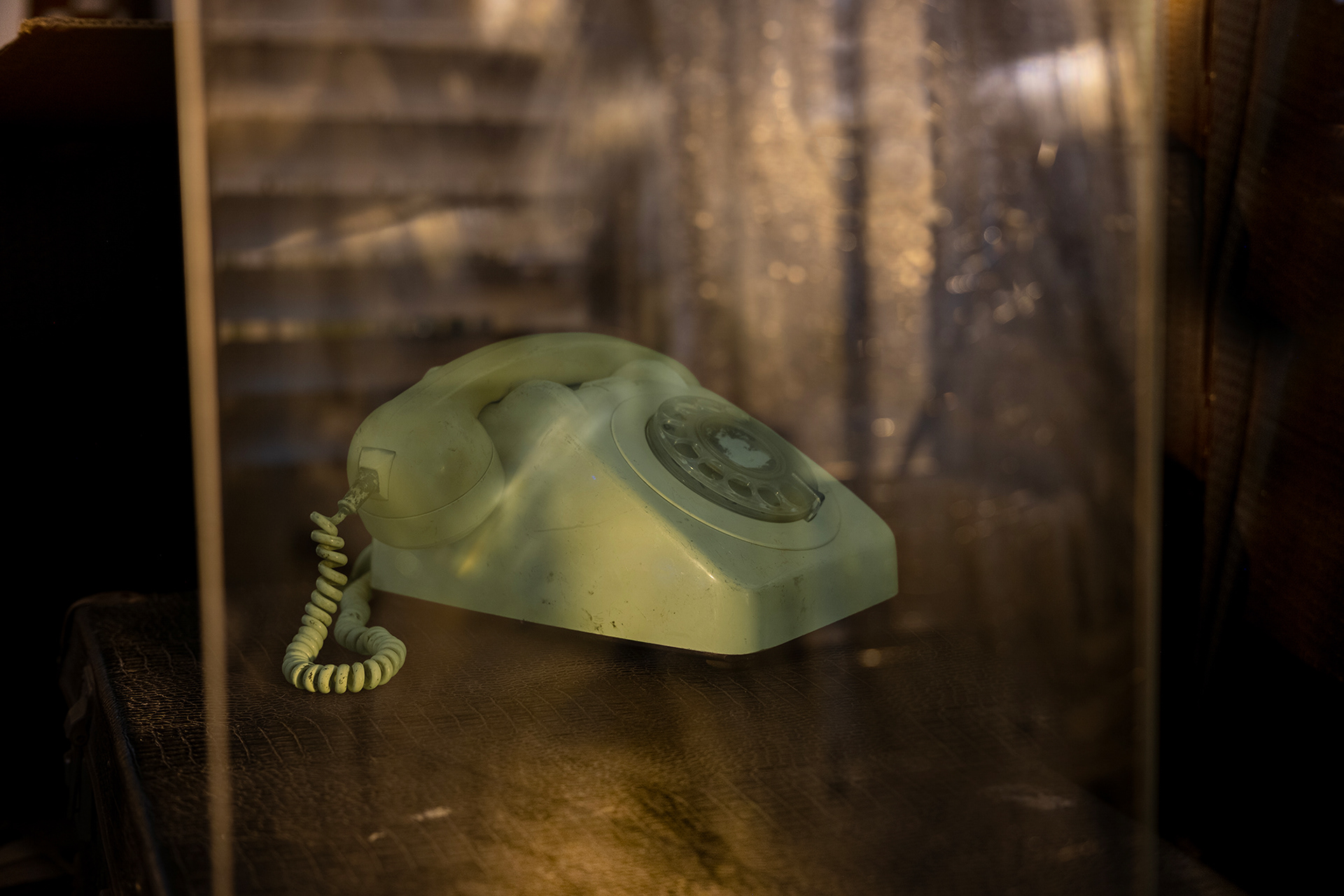
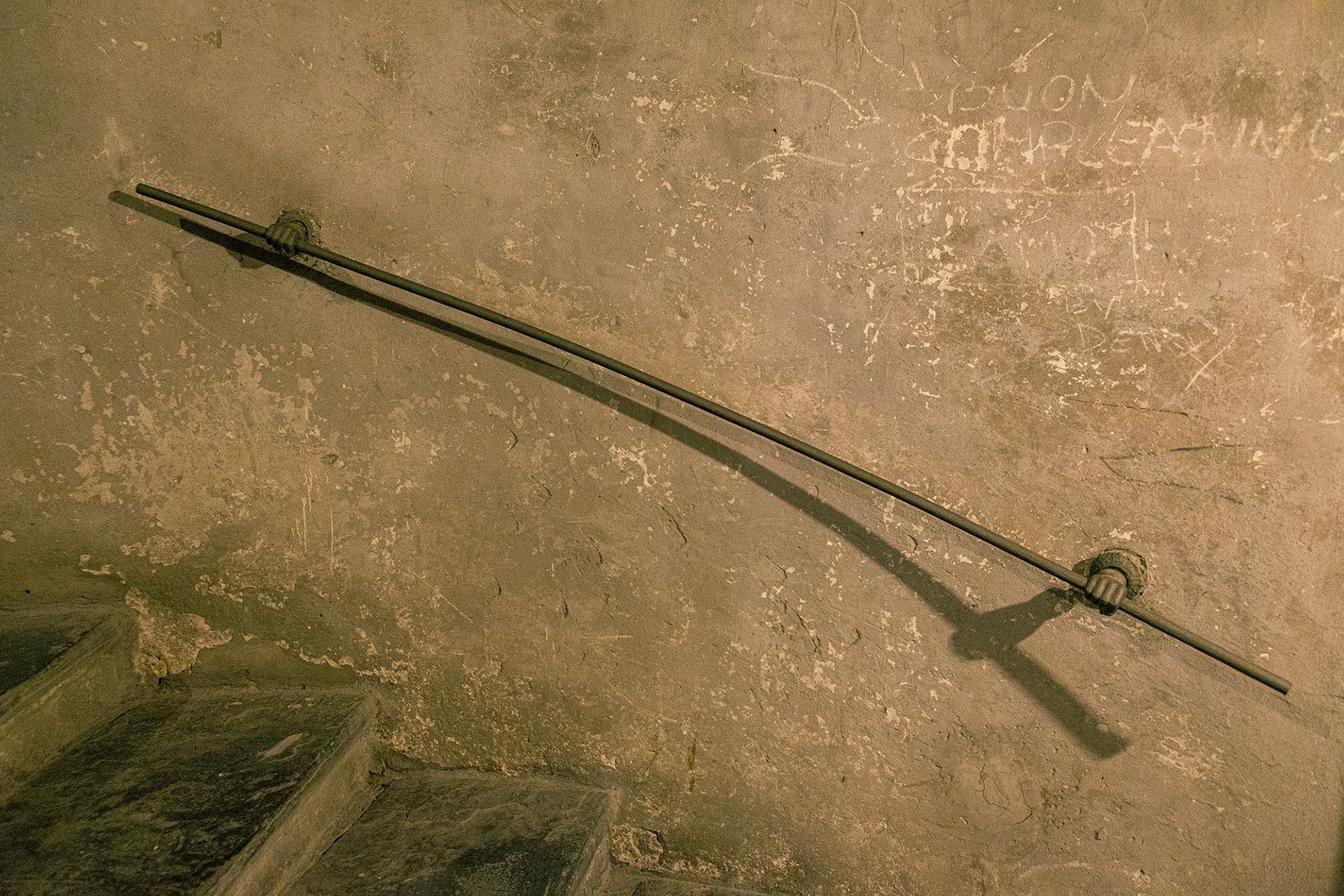
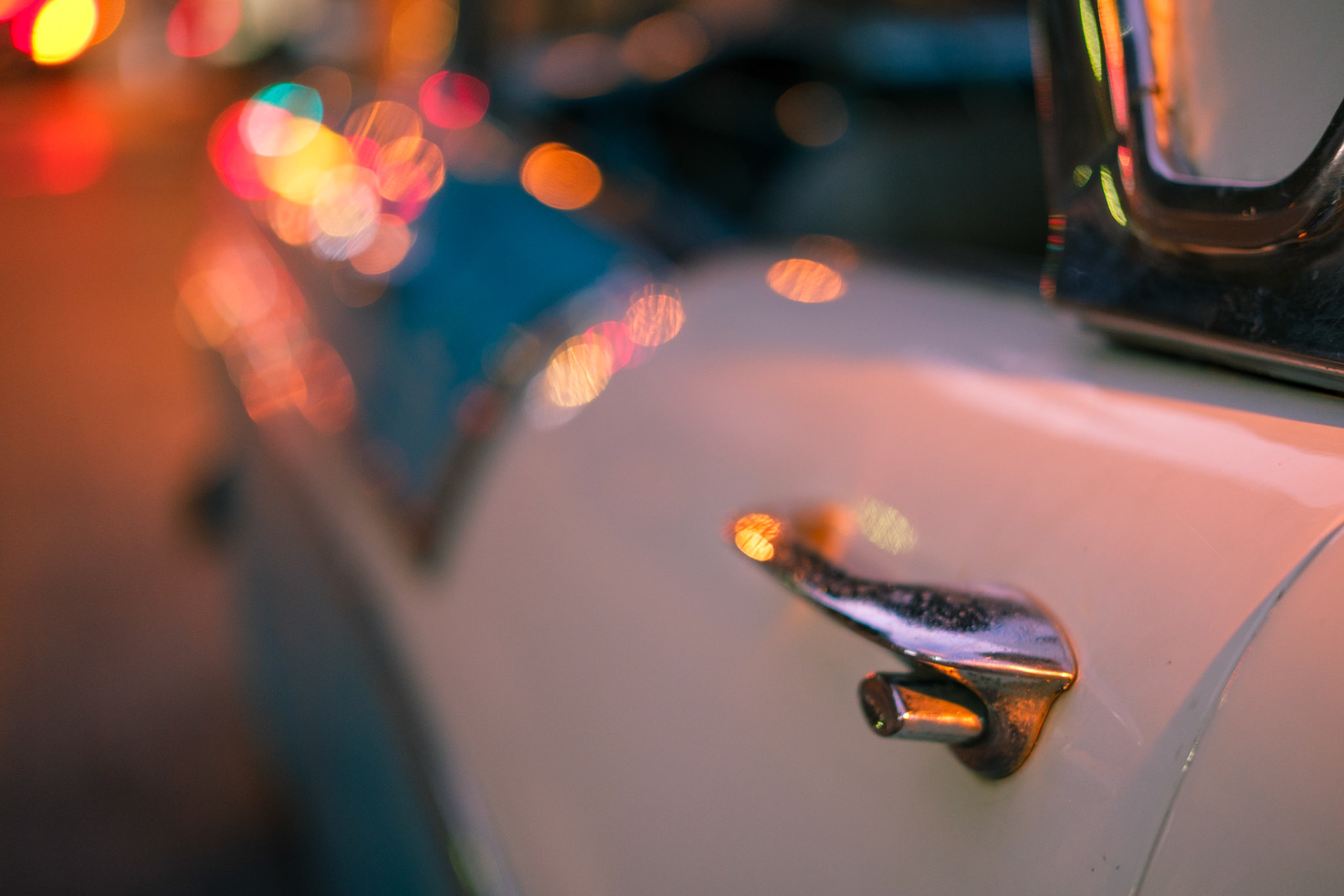
When human expression becomes too loud, one begins to look at things instead. Objects do not argue or persuade — they simply remain, as if holding their position. In their presence, the gaze slows down, becoming more precise, almost cautious. Attention shifts away from what insists on being seen toward what does not ask for it. Perhaps this movement becomes more noticeable at moments when the world itself feels less stable — when something in the background resists being named, and even the most ordinary spaces seem to contain a quiet tension, as if they were waiting for something that has not yet happened.
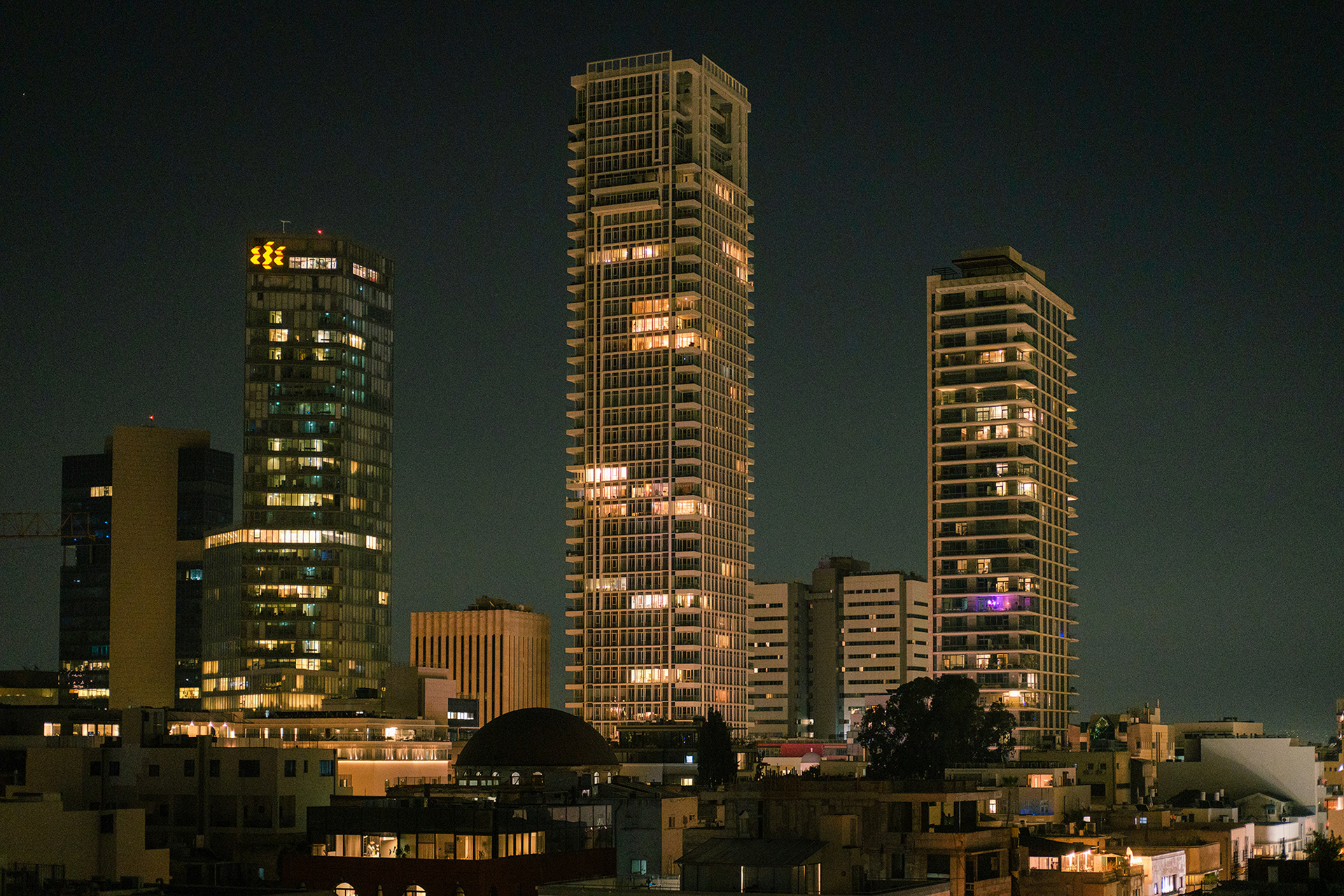
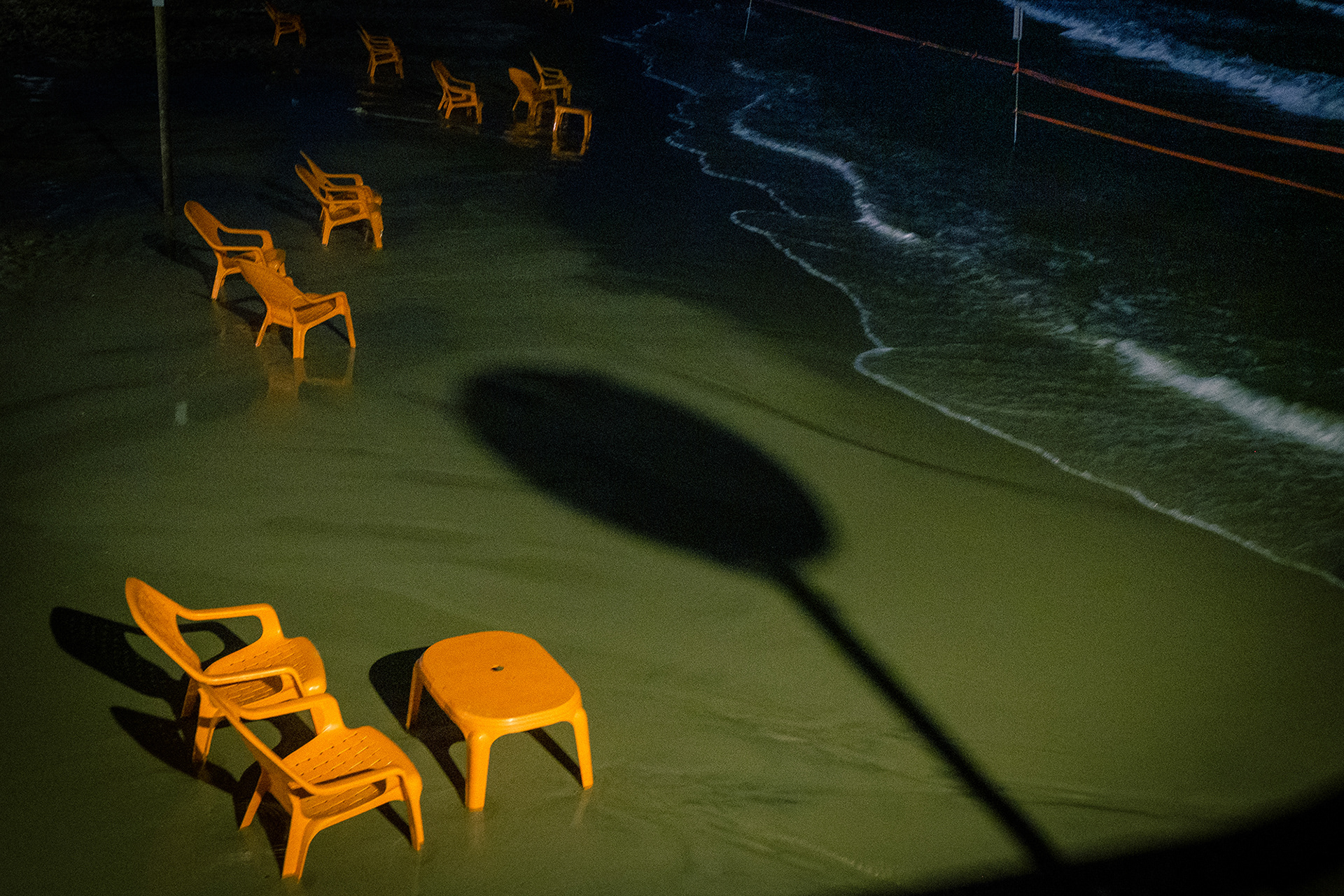
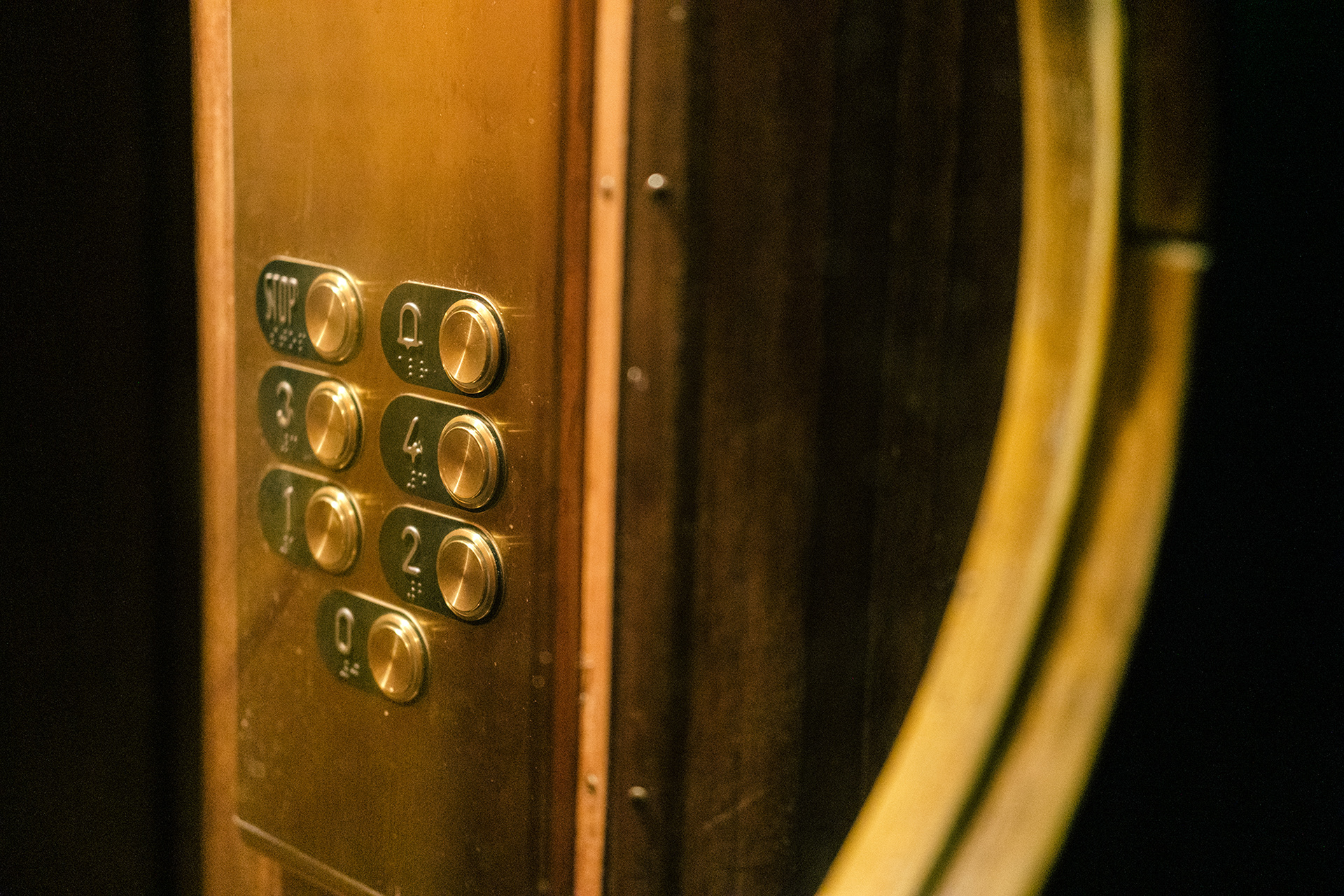
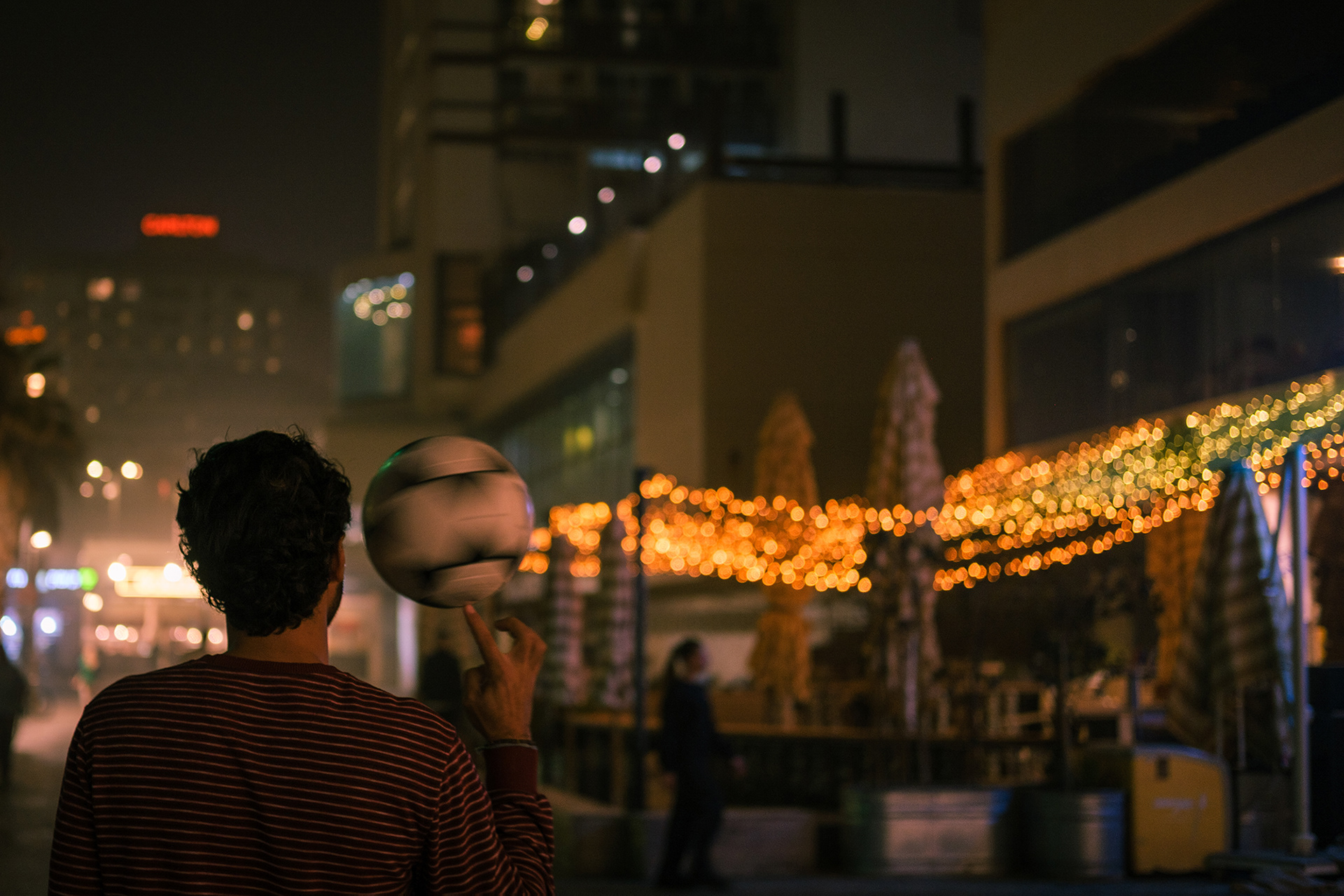
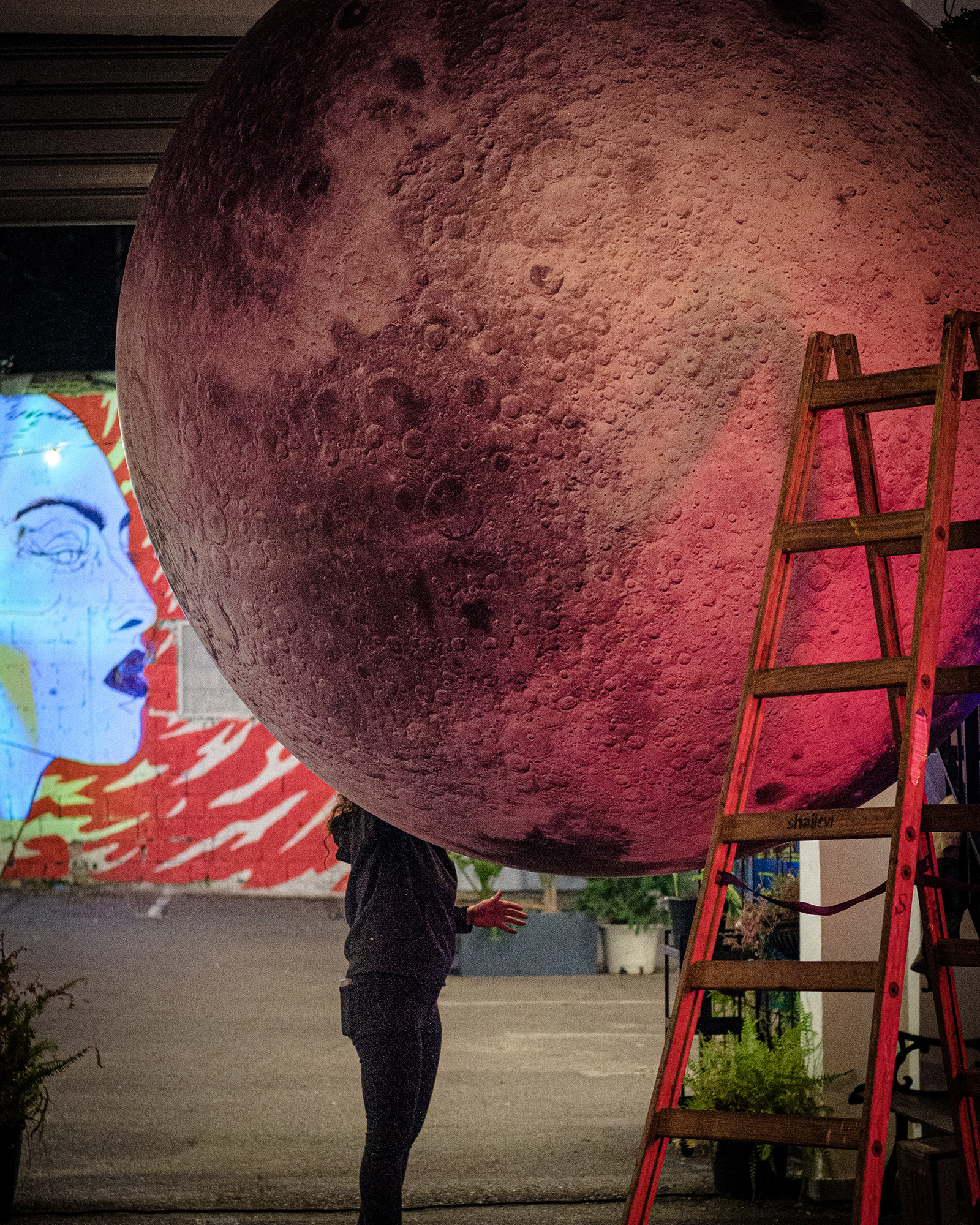
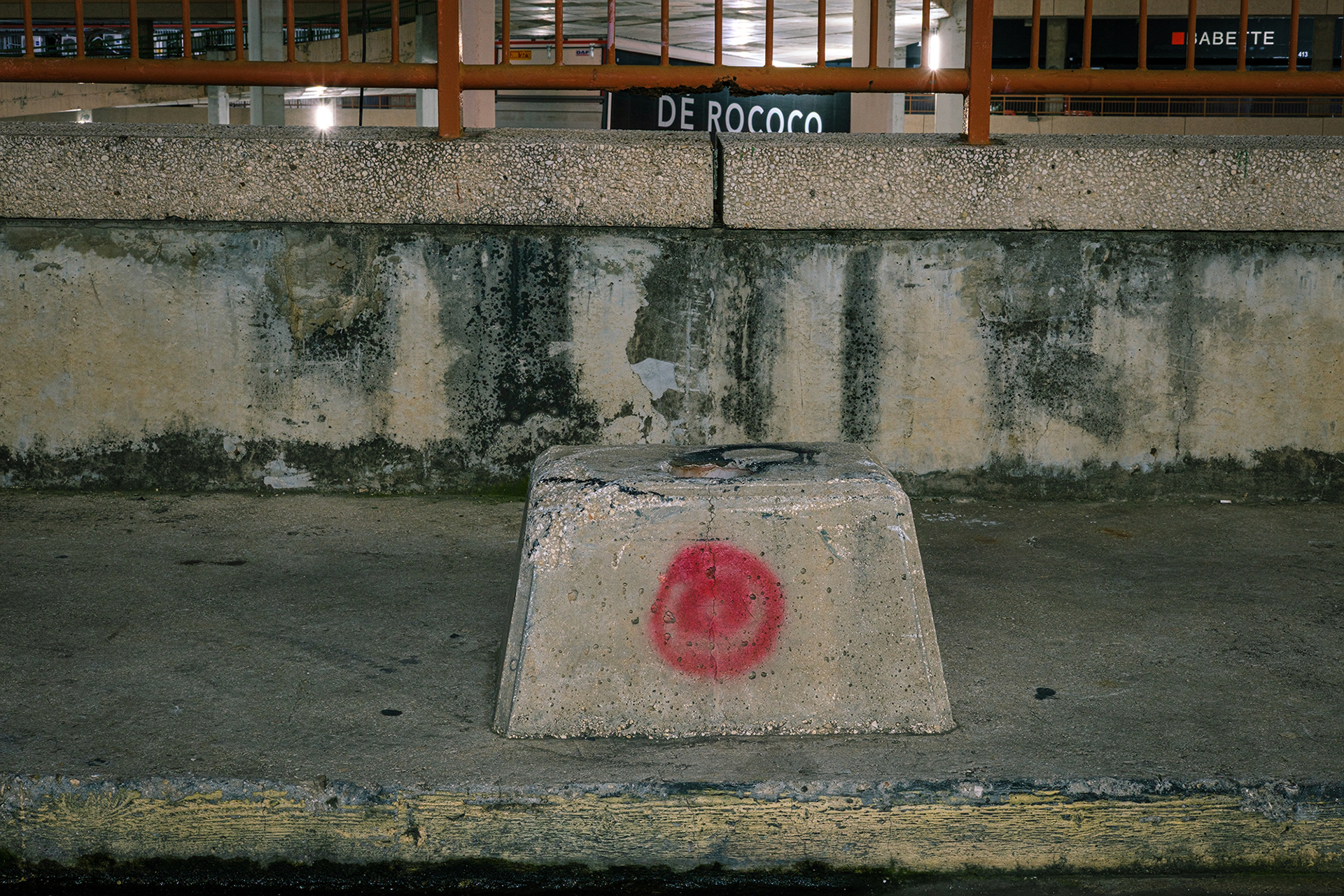
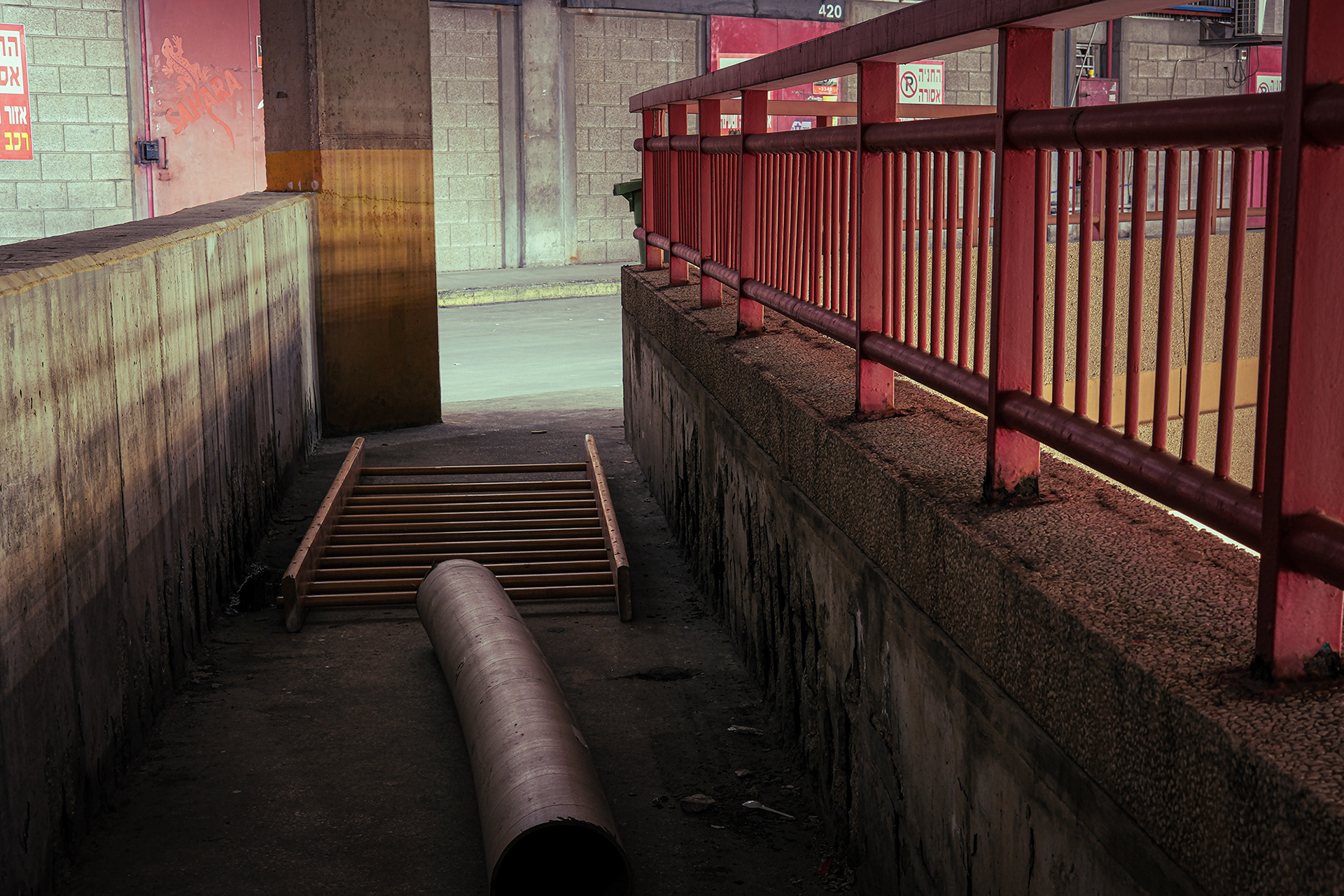
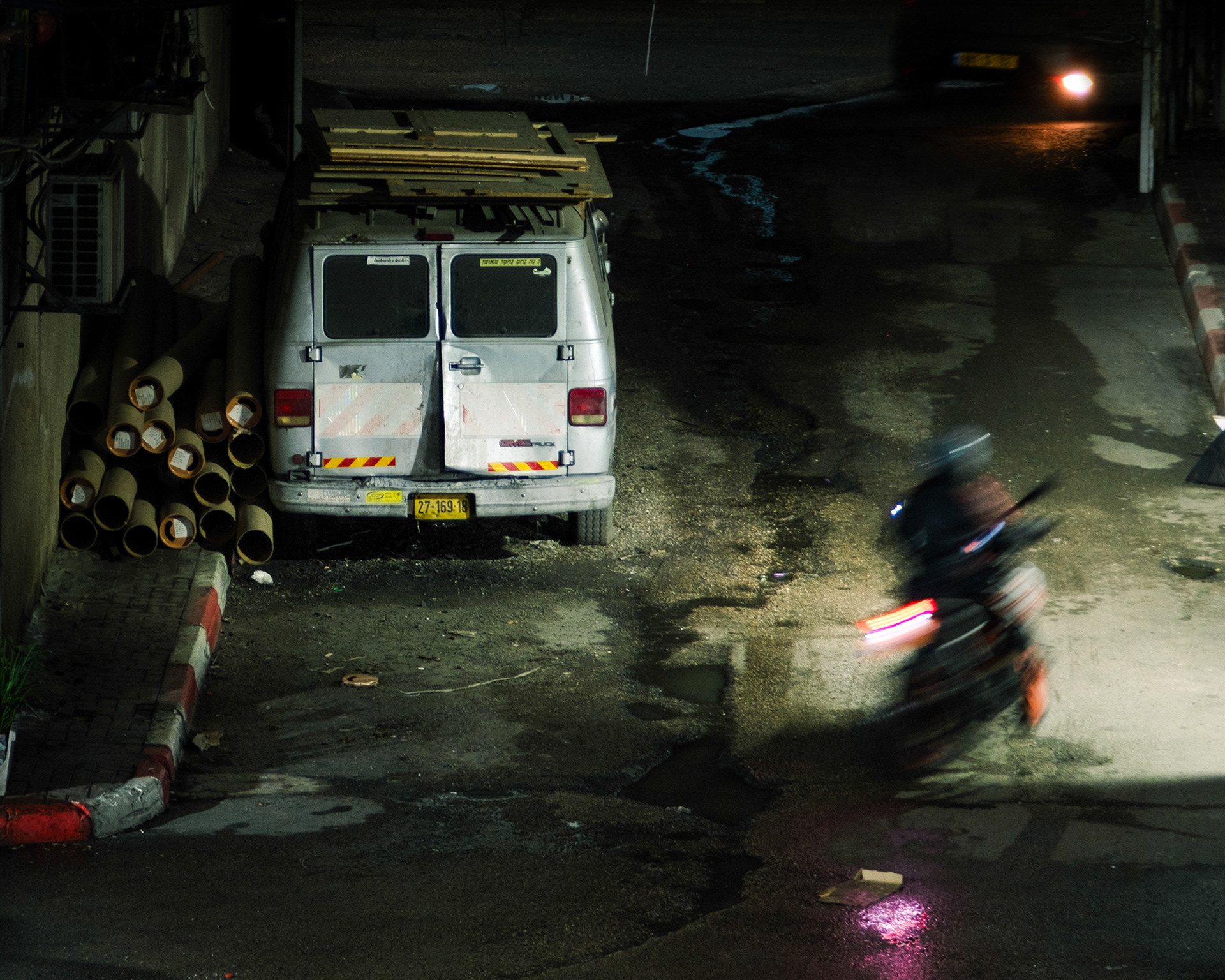
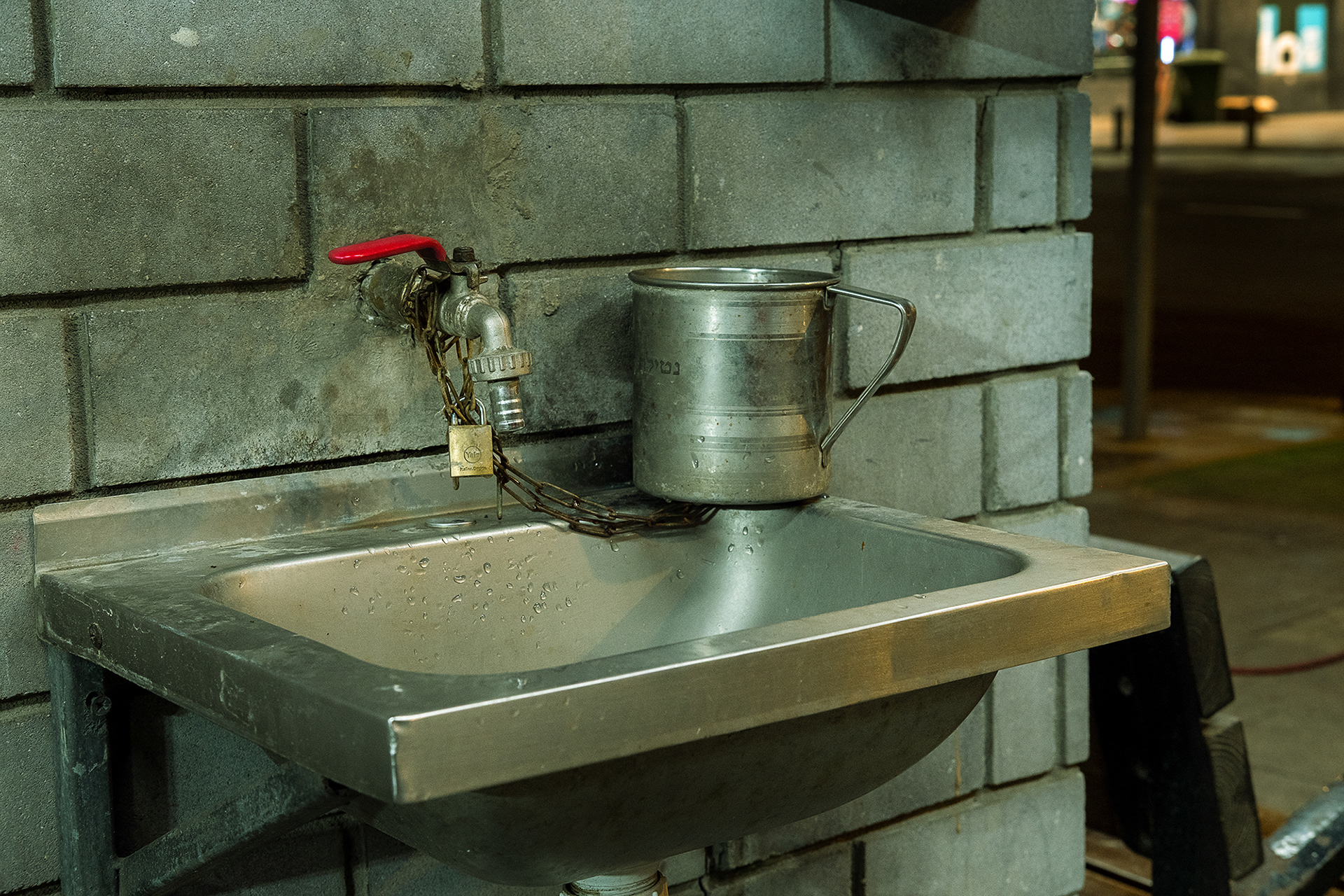
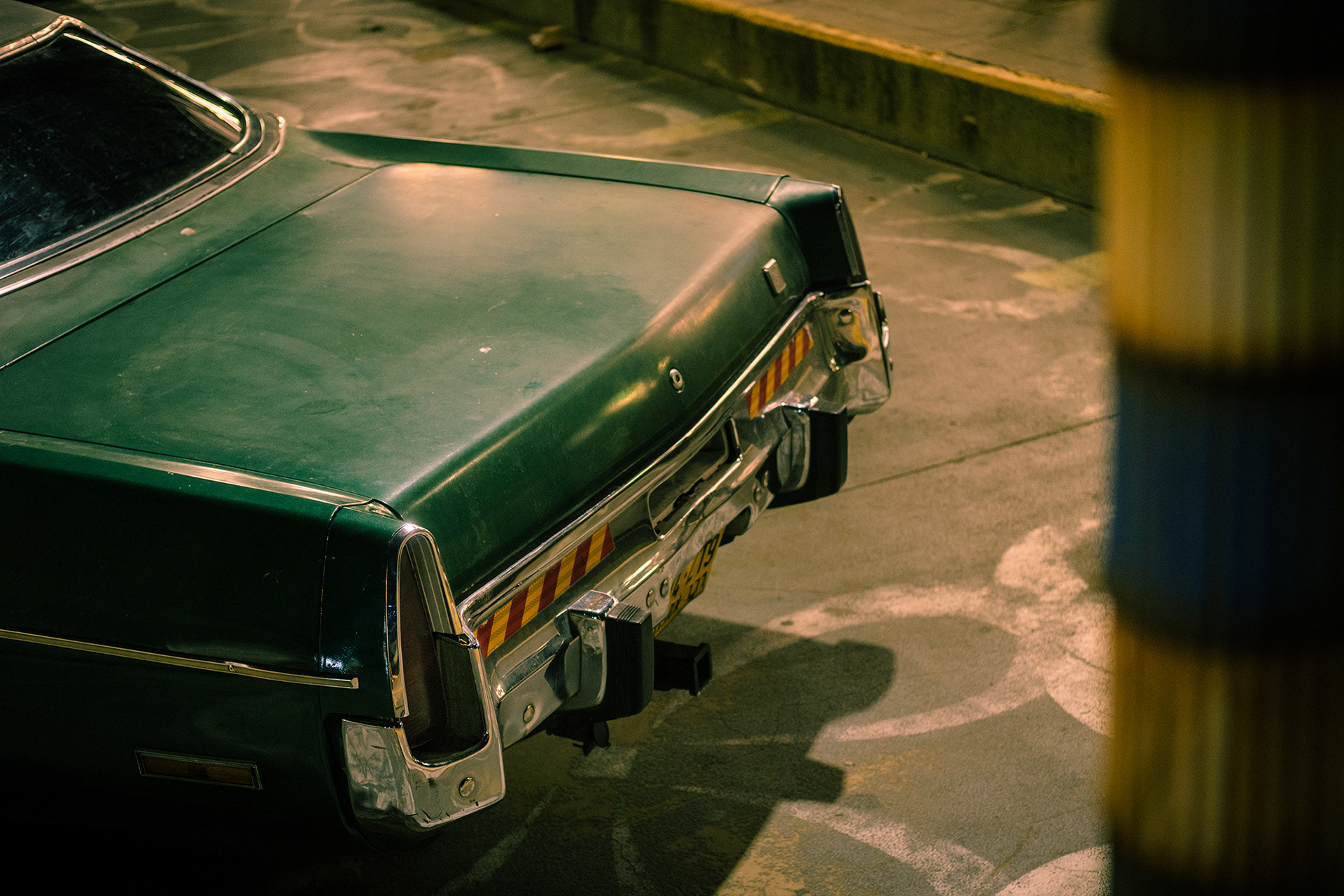
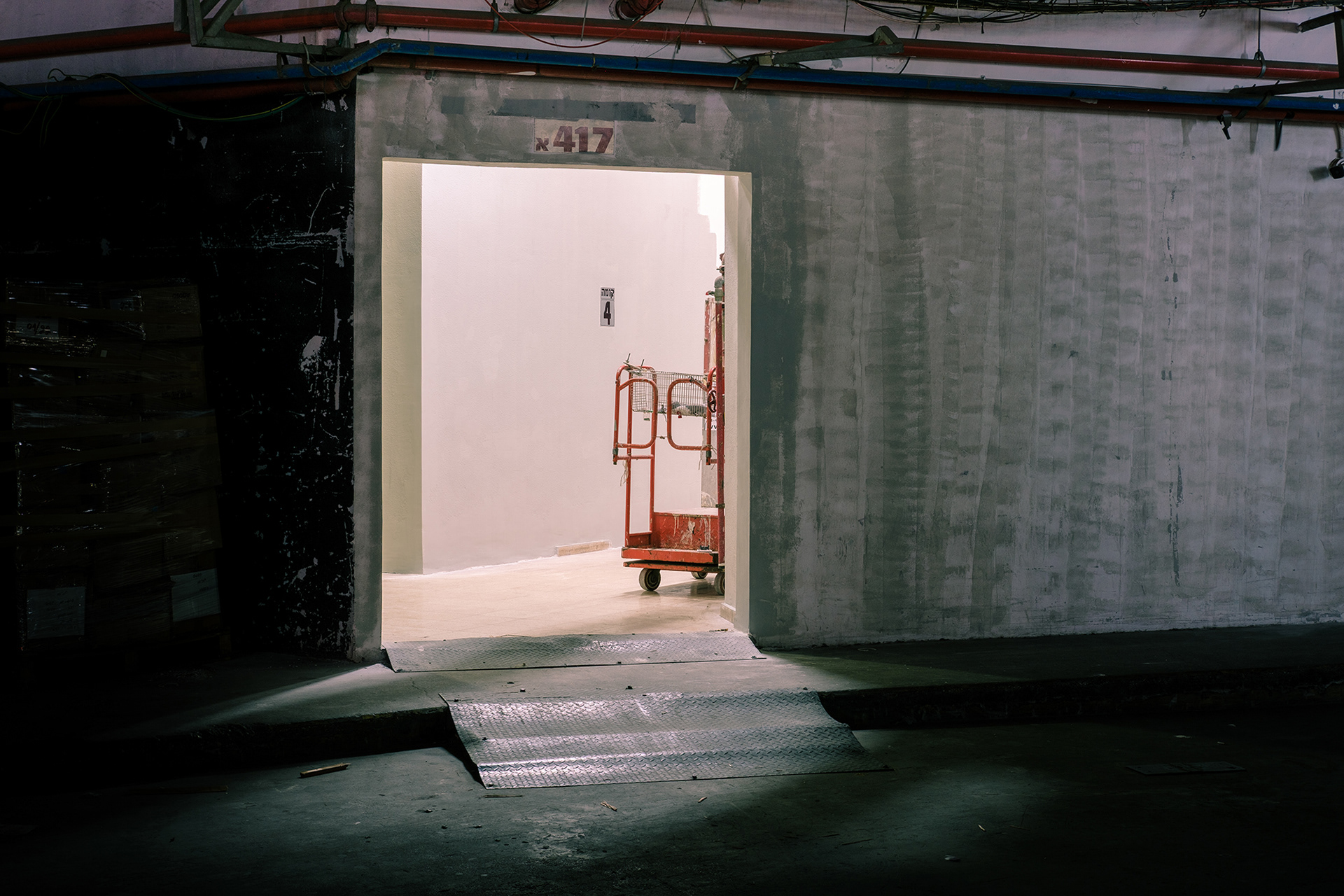
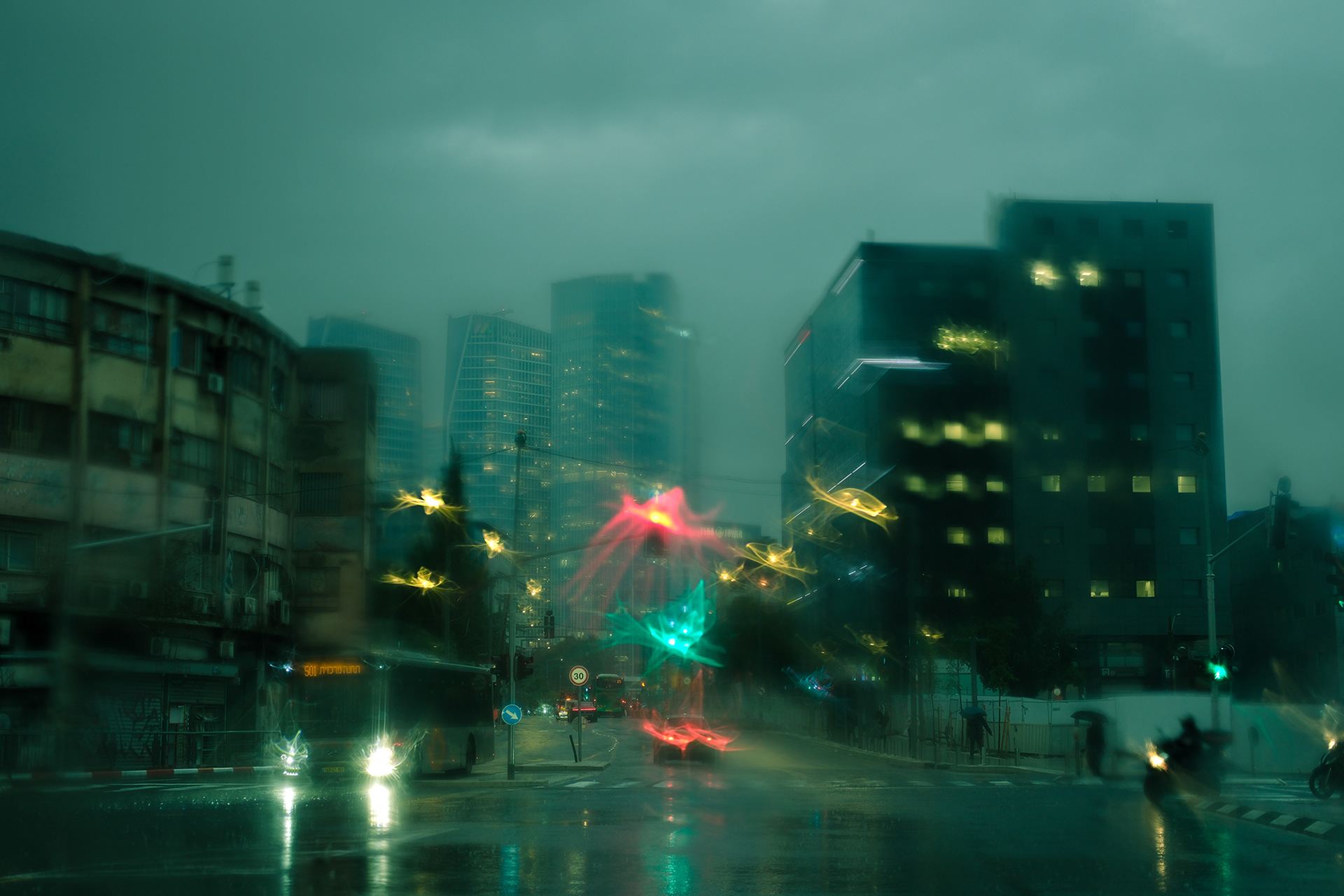
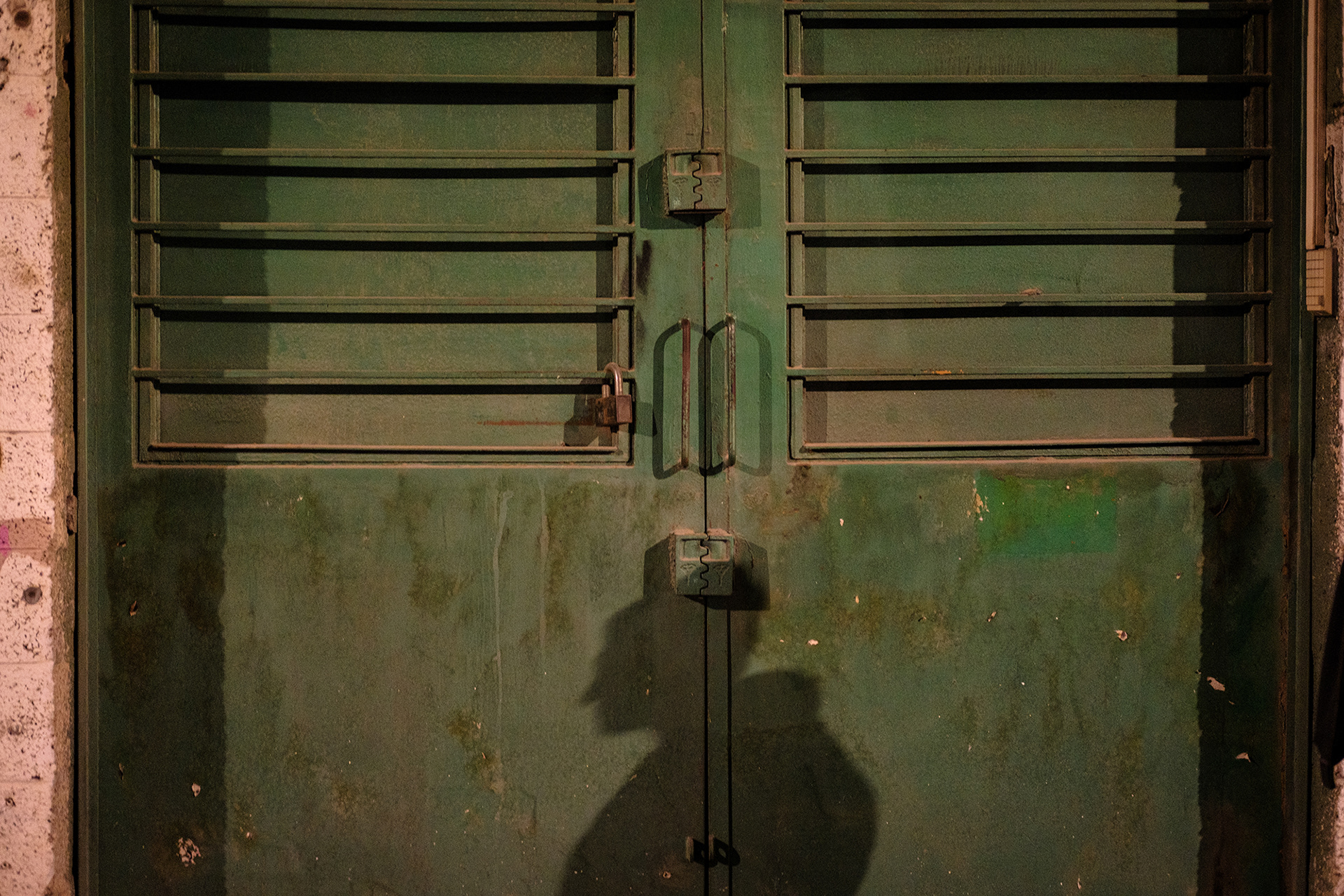
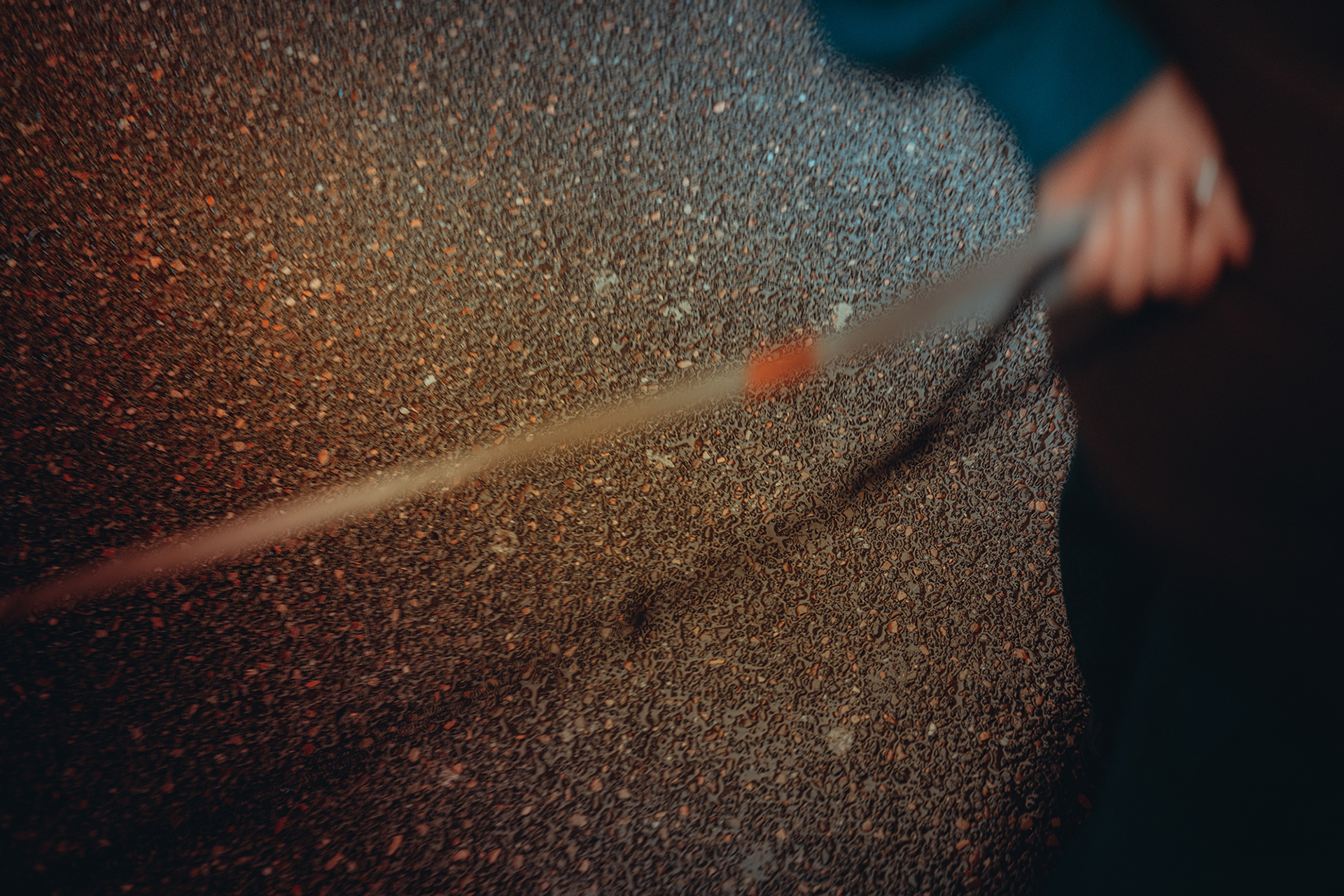
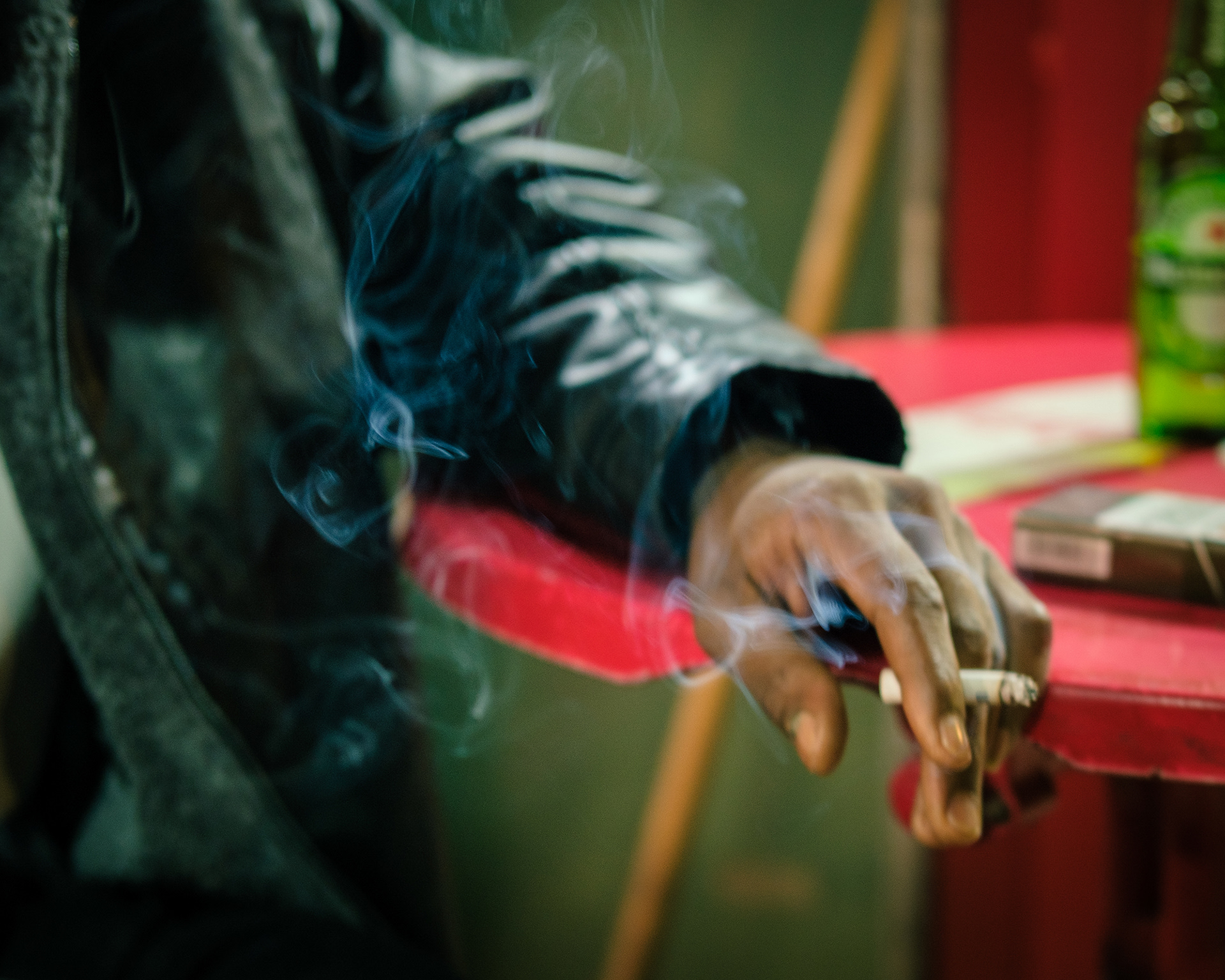
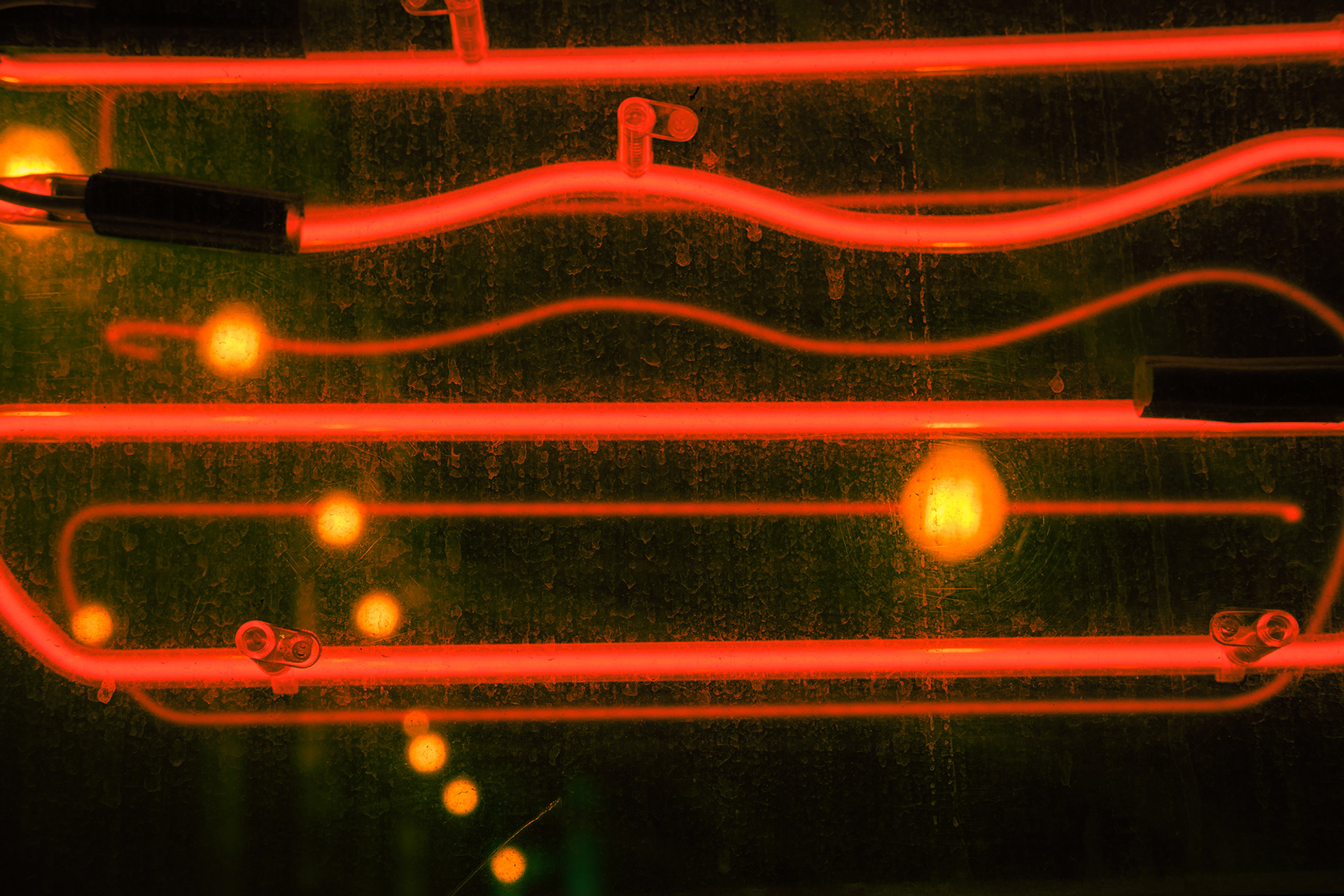
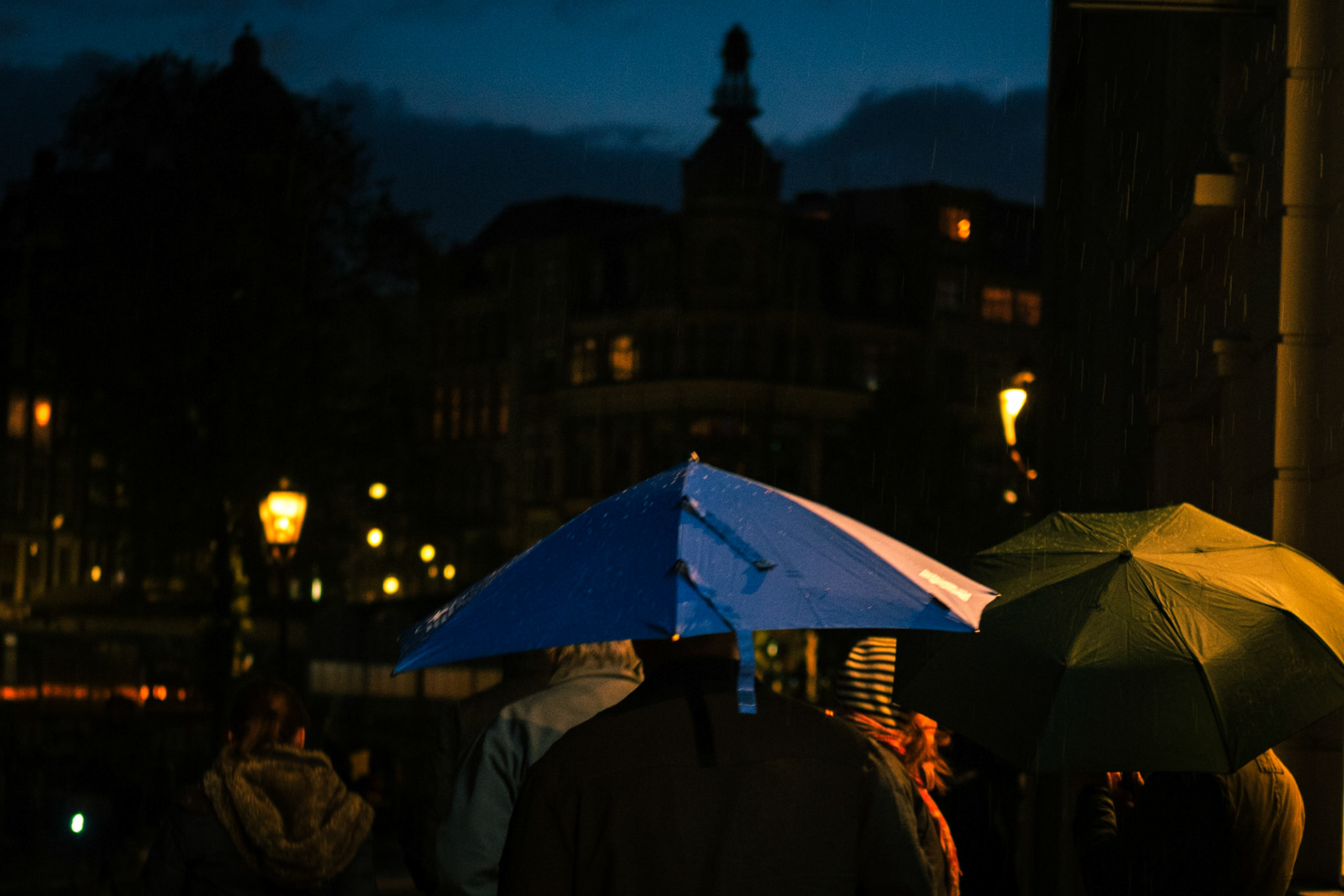
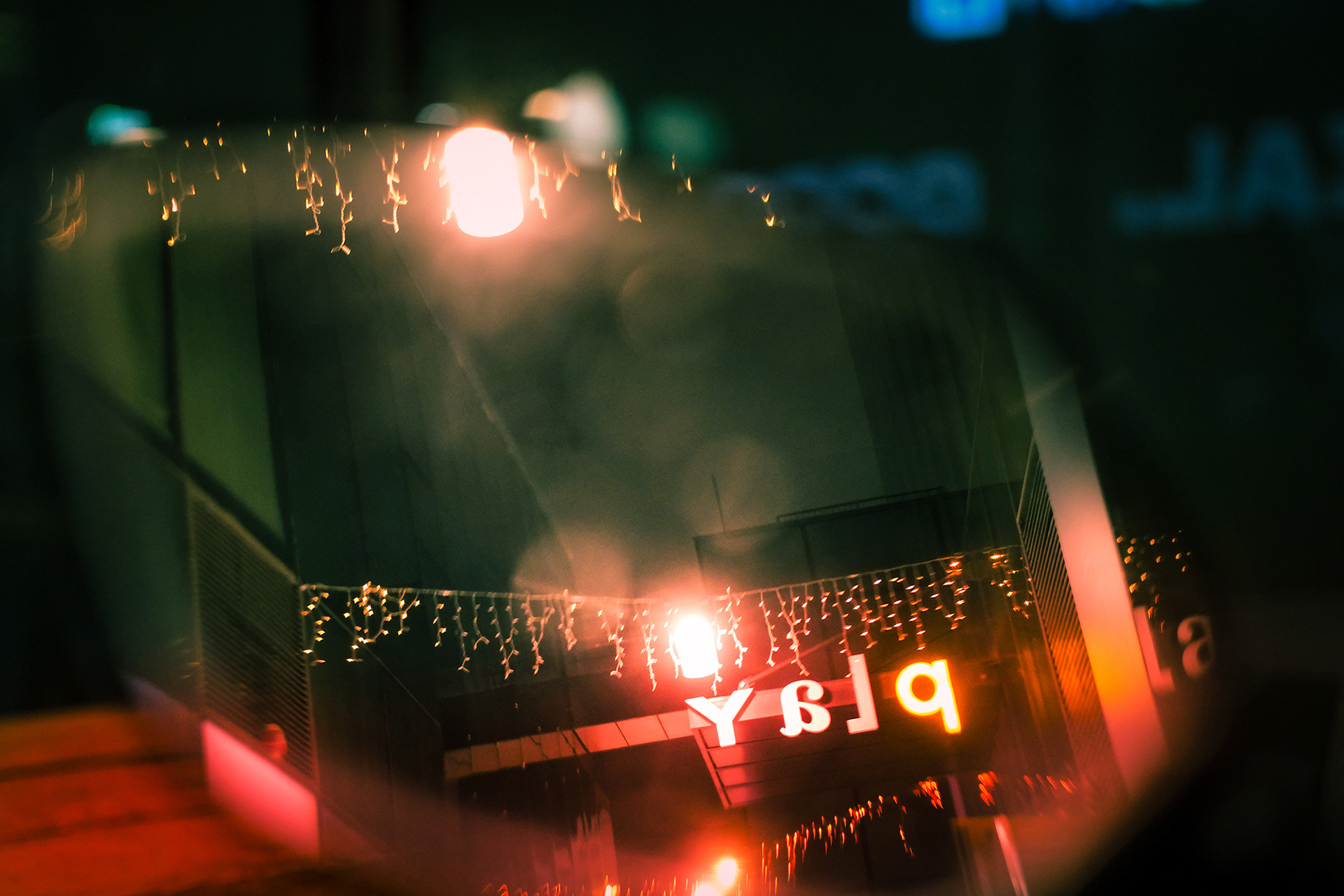
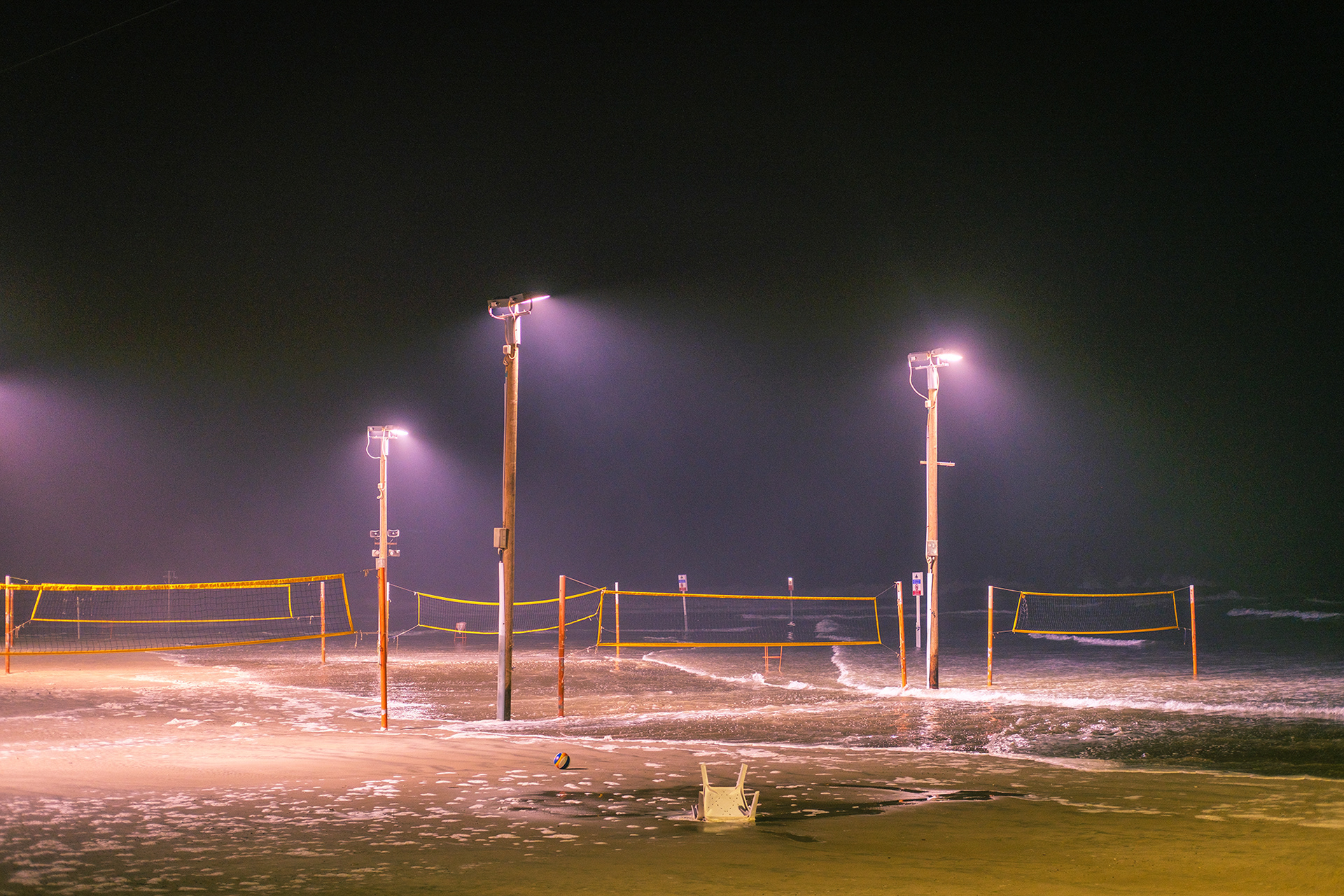
Something similar occurs in cities at night. A city at night is no longer the same city it was during the day. It is not the noisy, growling, bustling anthill. But neither is it its opposite. Rather, it is simply another organism. To my mind, a night city has much in common with a stage before the beginning of a performance. There is an atmosphere of silence and expectation. All the props have already been placed in their positions. The participants in the performance have not yet put on their “actors’ masks.” No one is watching them yet, and they can allow themselves to be who they are. The audience already knows that the actors are behind the curtain. They cannot yet be seen, but they are there.
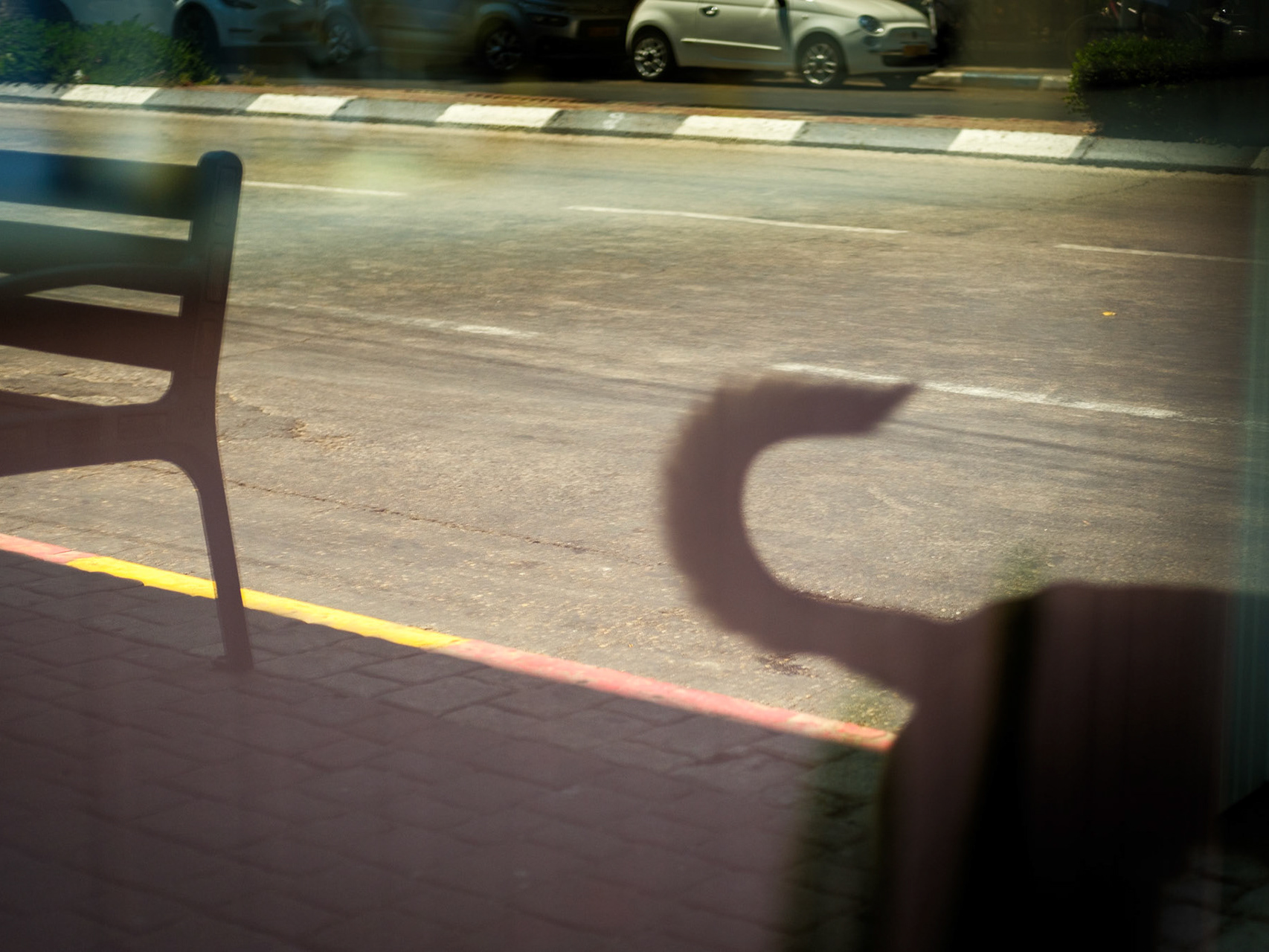
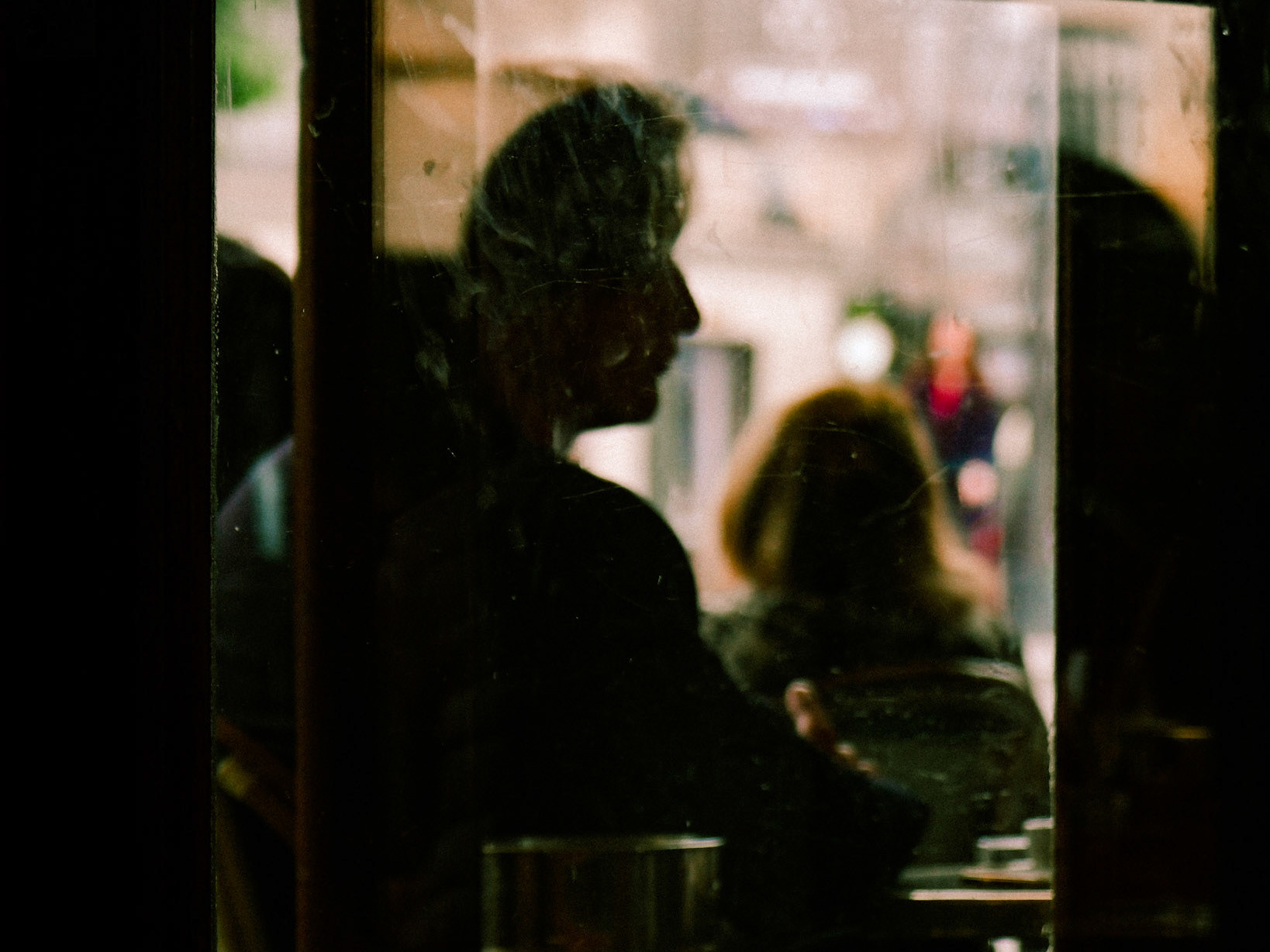
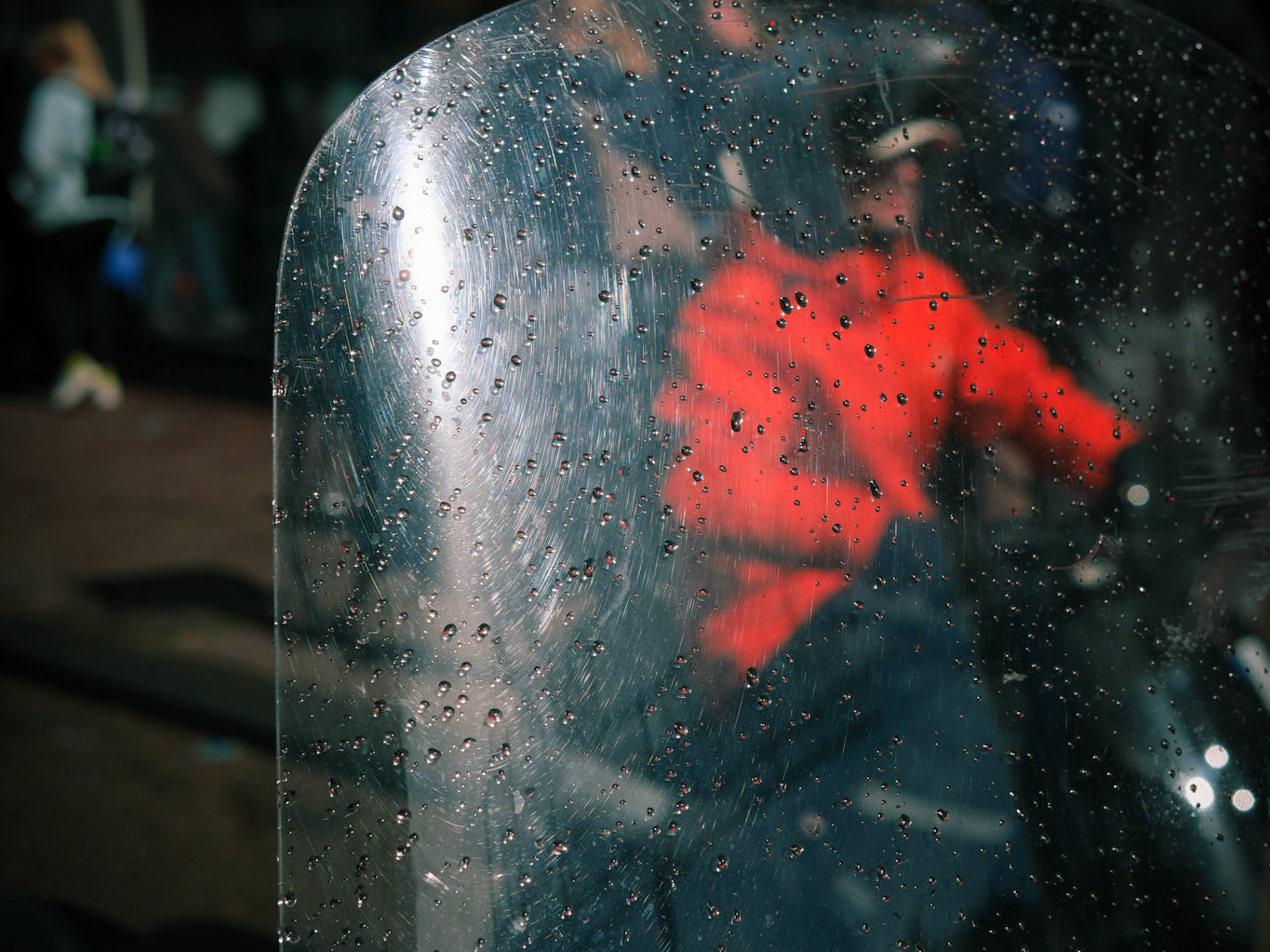
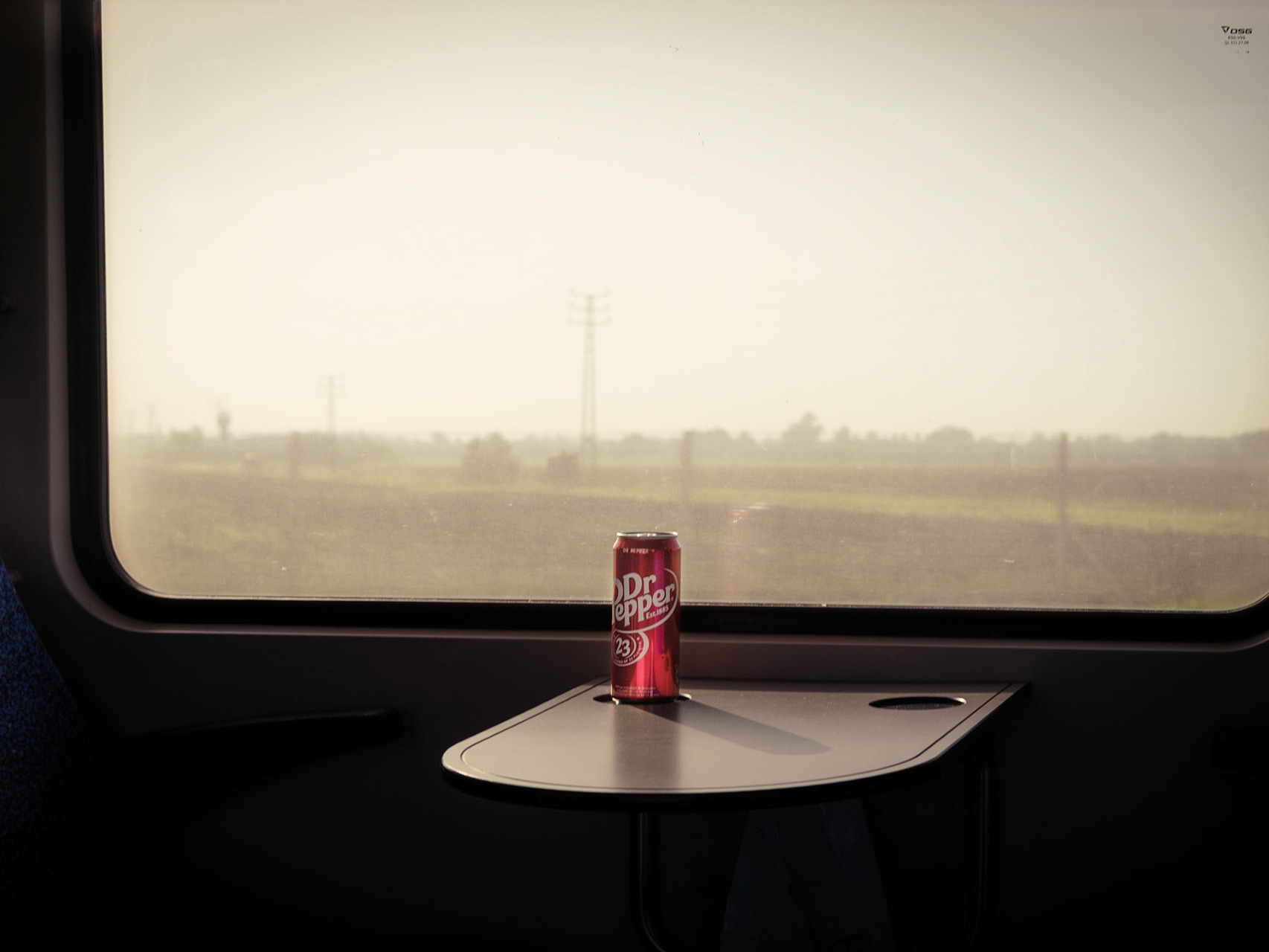
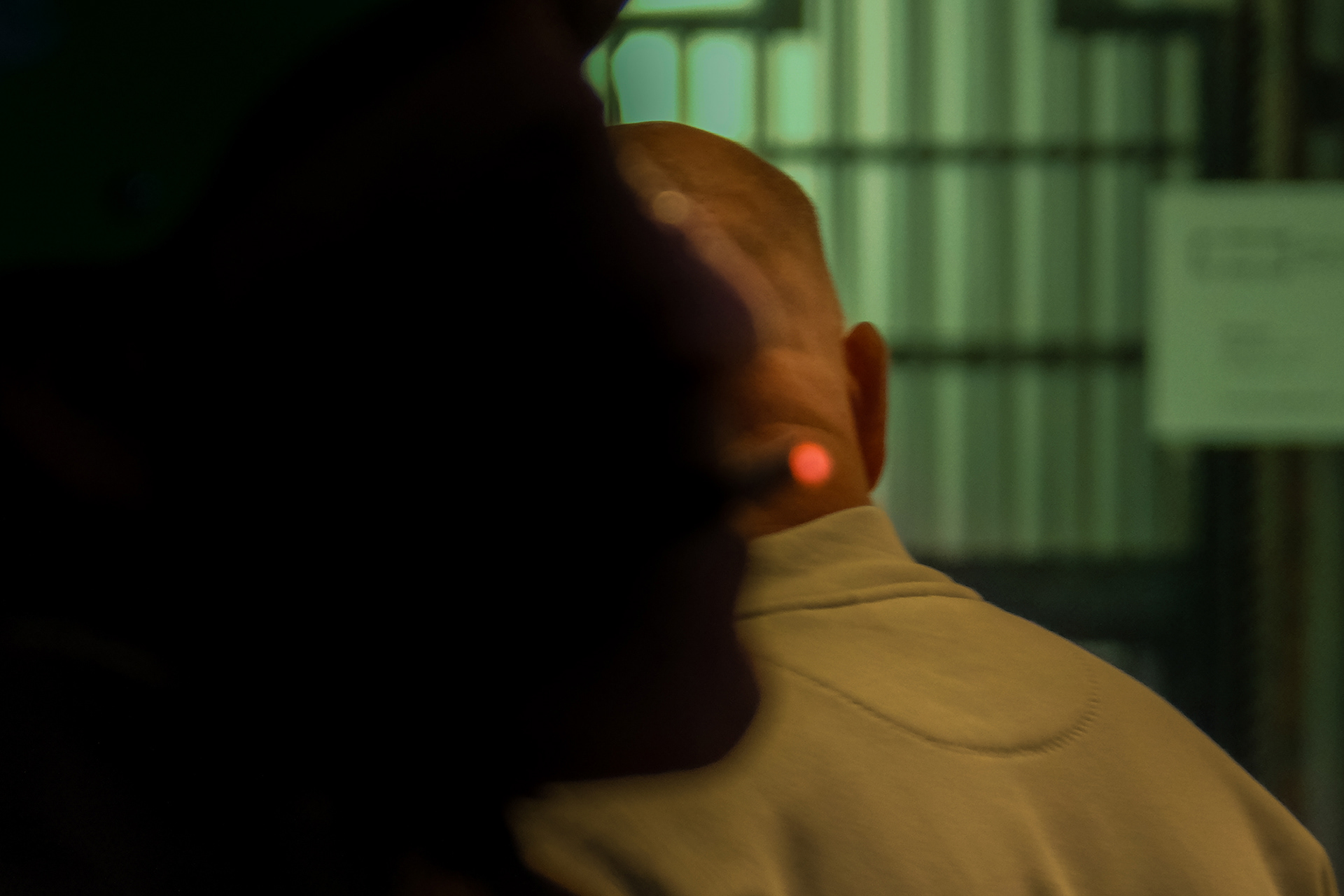
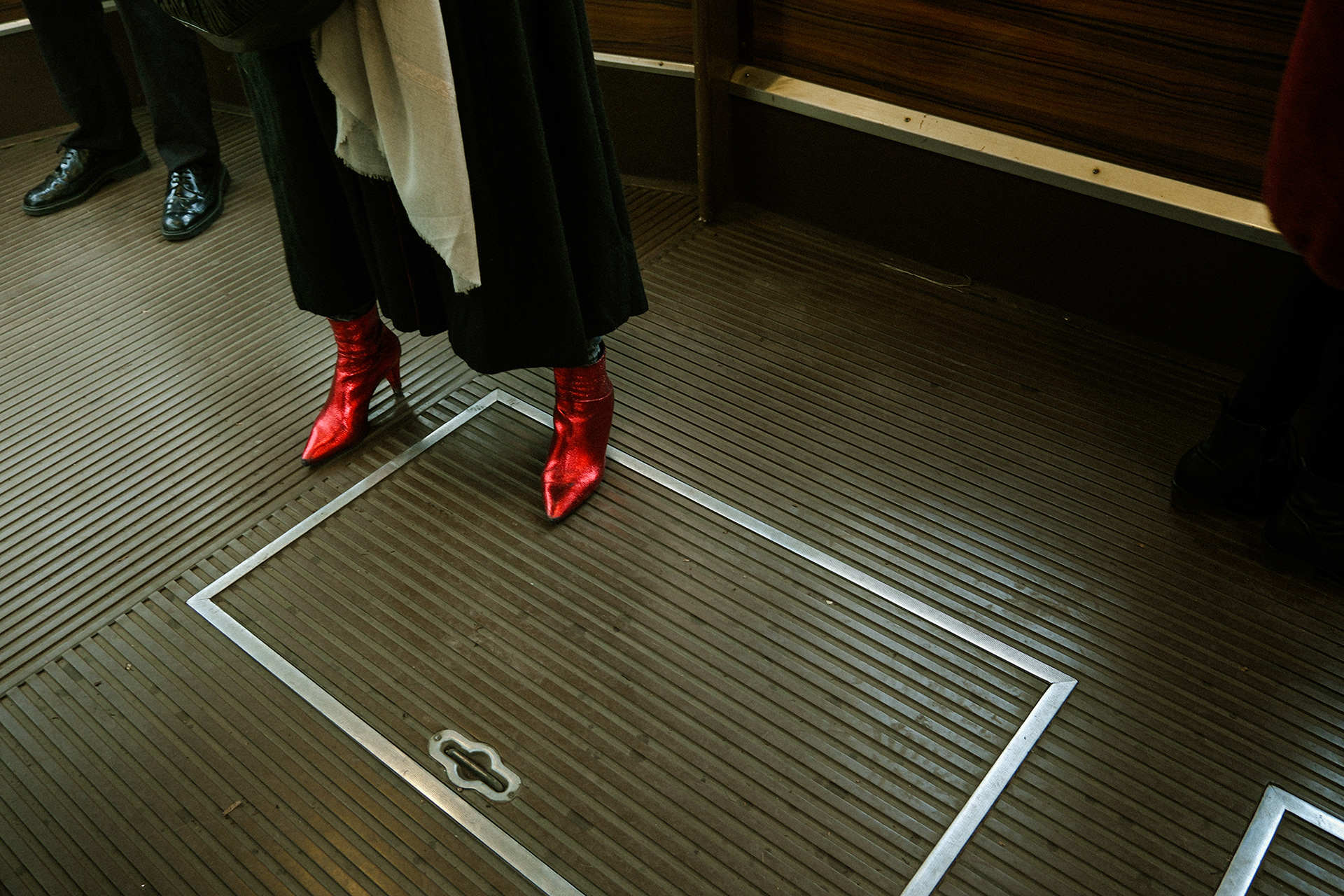
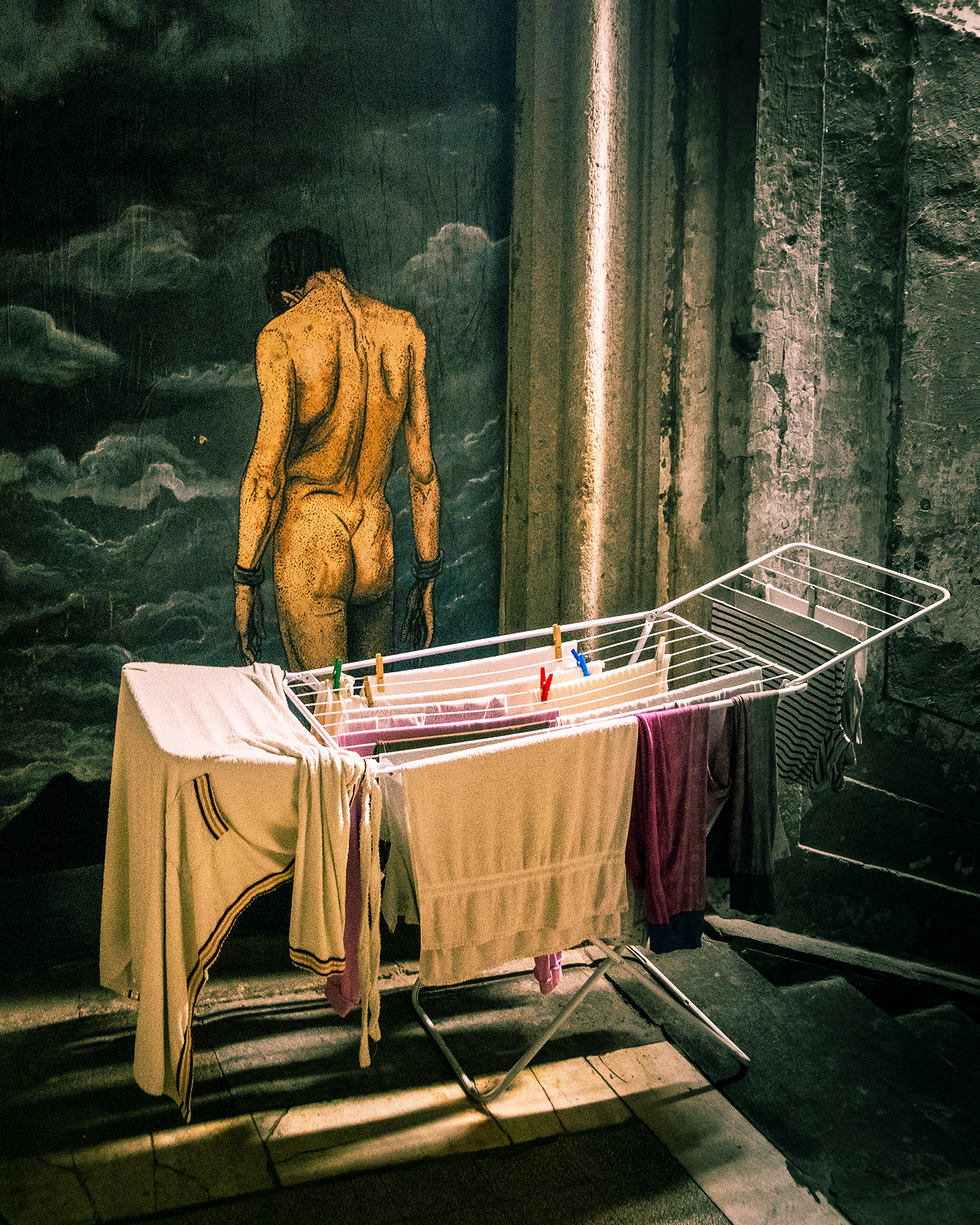
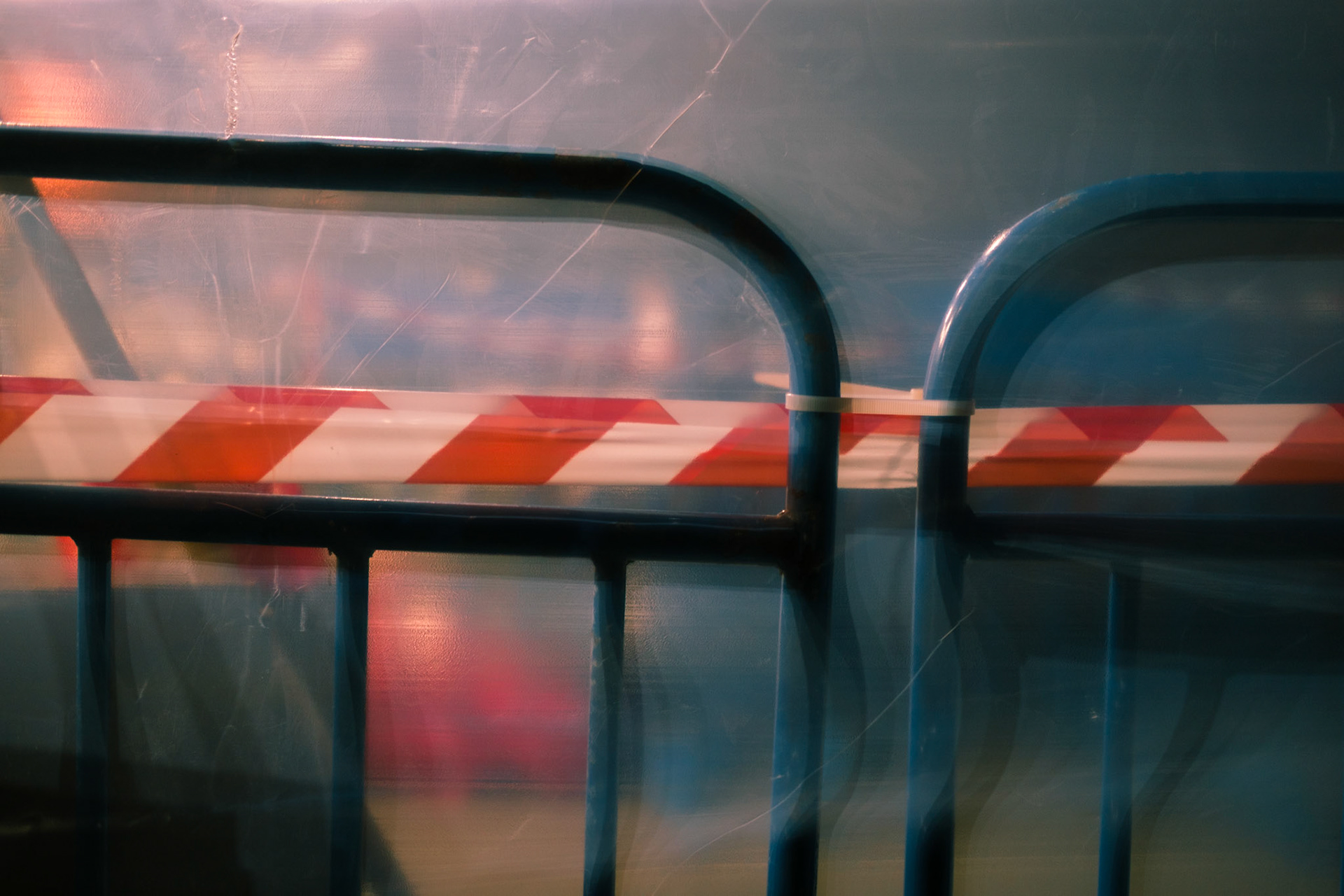
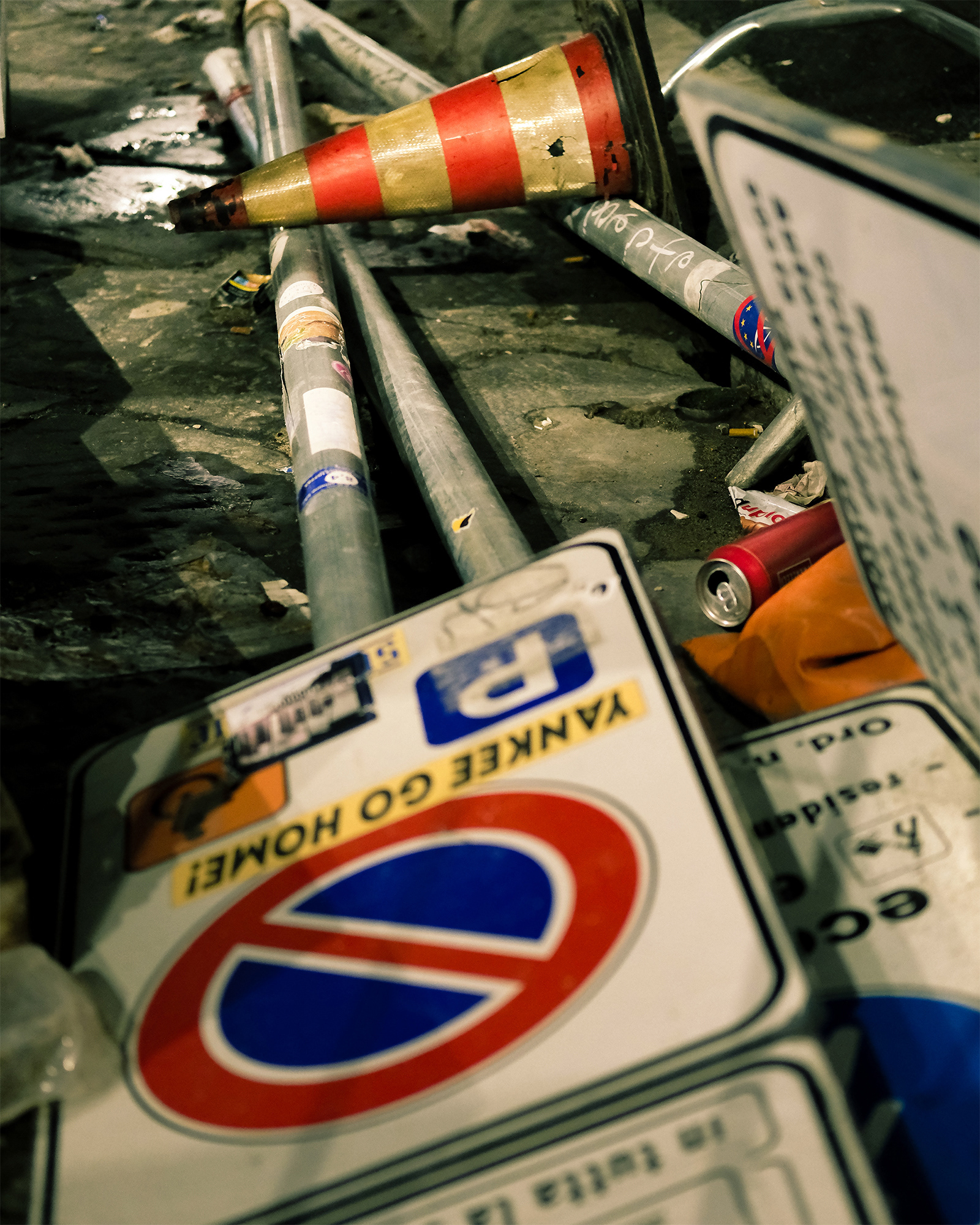
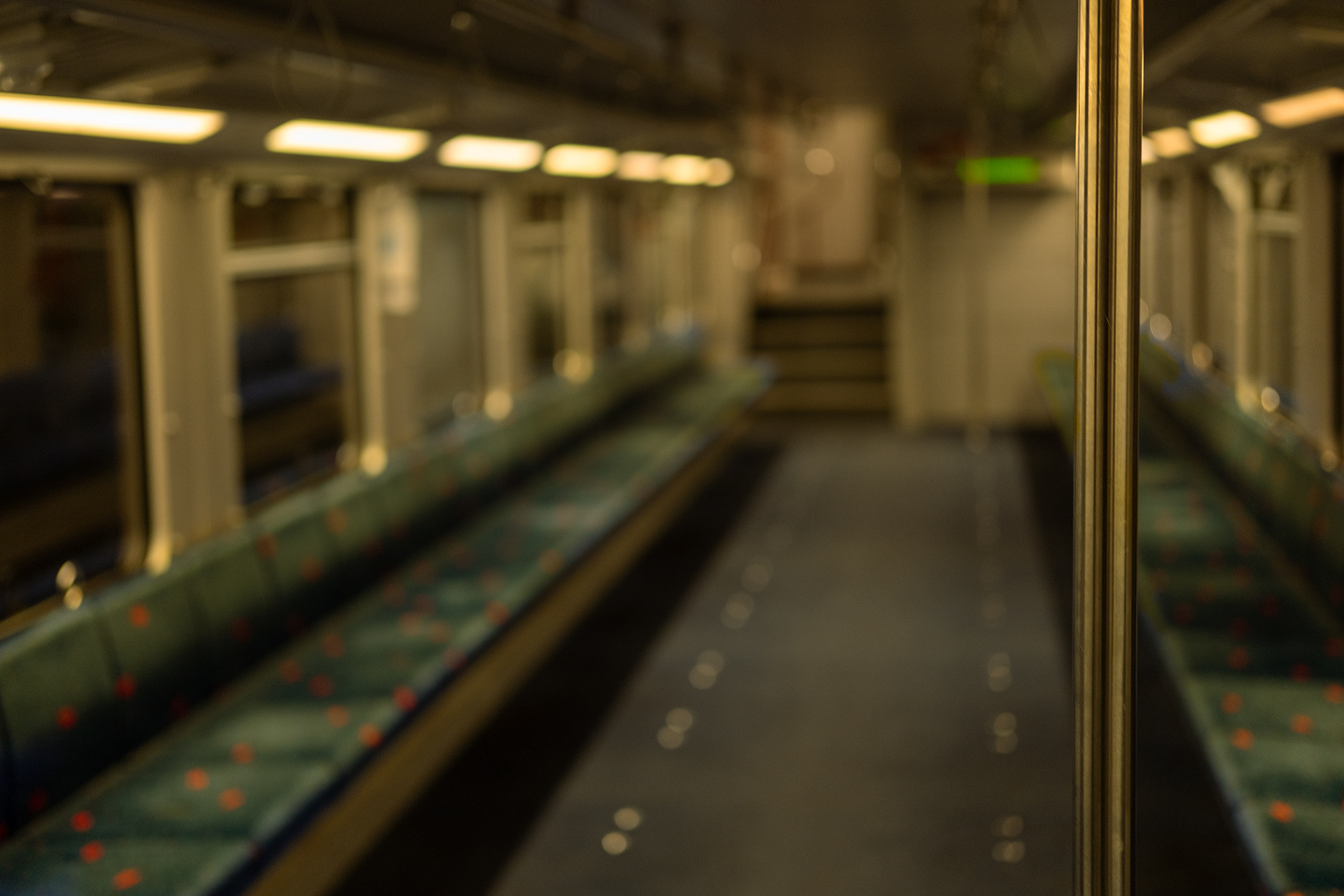
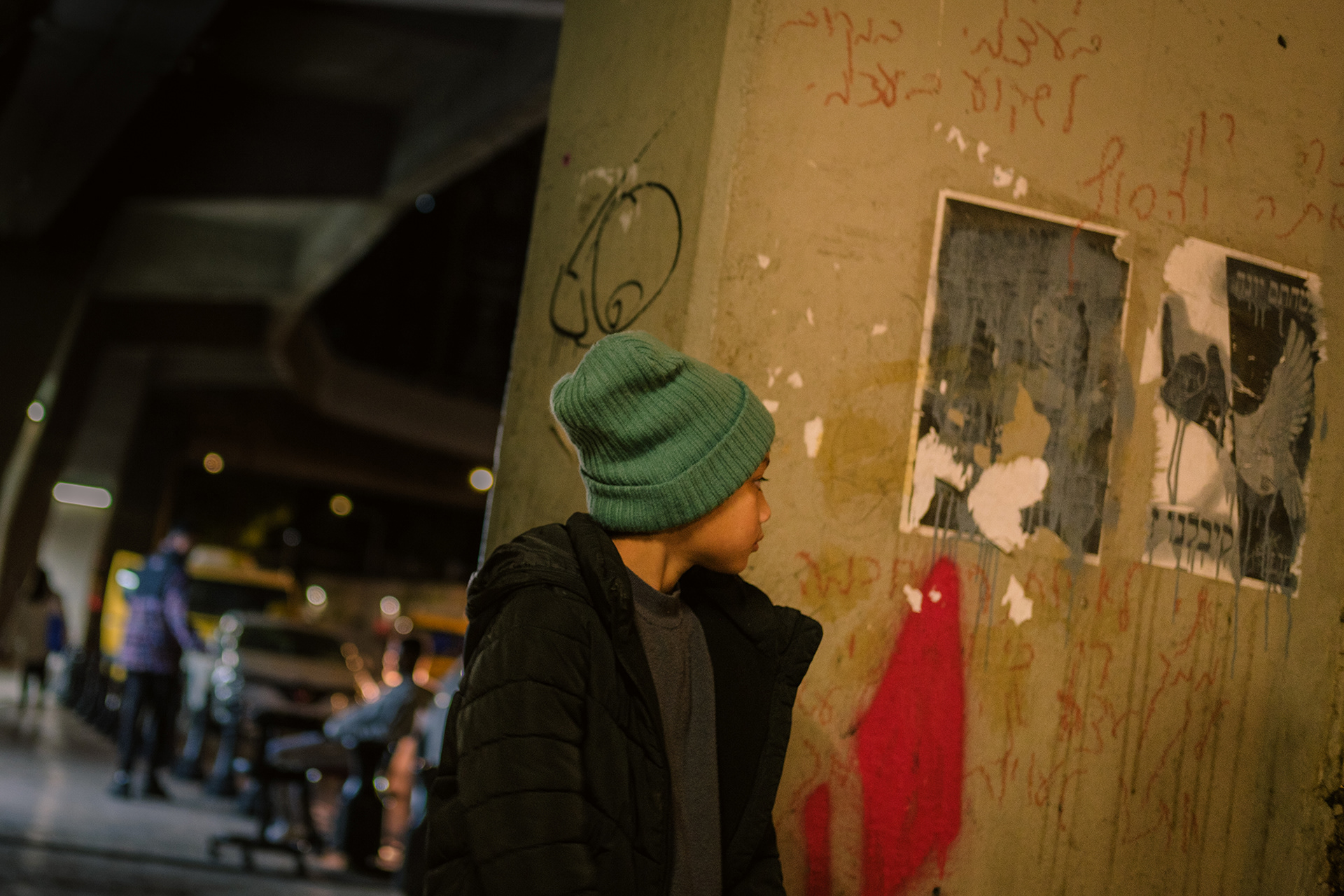
The same is true in my photographs. In most of them there are no people, but their presence can be felt. And where people do appear, we do not see their faces. I try to make sure that they do not feel the photographer’s gaze and continue living their lives. What is the atmosphere of an urban night? Try to feel what it is like to be a spectator in a city without spectators.